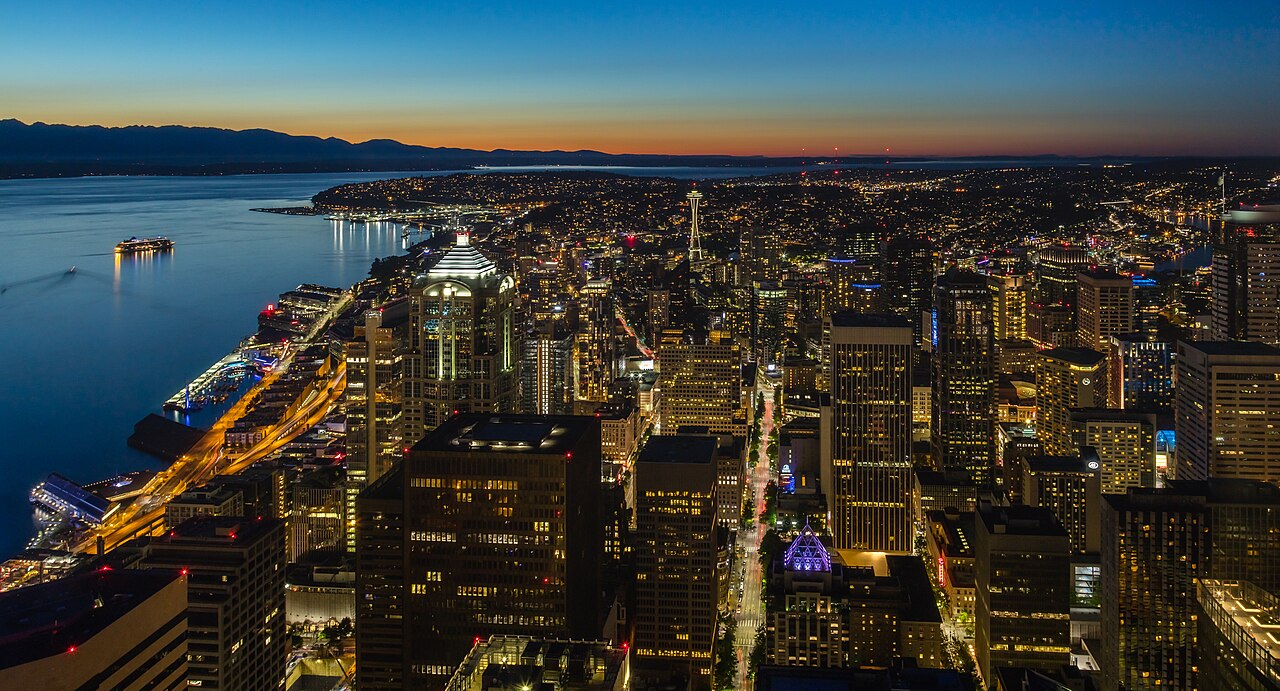
Seattle is experiencing a distinct shift in weekend rhythm this July, as the completion of major infrastructure projects and a surge in public-space programming transform how residents occupy the city. After years of construction barricades and restricted access, the central waterfront is emerging as the primary hub for local activity, signaling a departure from the neighborhood-siloed social habits that defined the last several years.
This transition matters because the city is finally capitalizing on its geographical layout. Residents who previously avoided the downtown core due to heavy traffic and construction are returning to places like the Olympic Sculpture Park and the newly accessible piers. The shift is physical, but it is also psychological; as the connection between Pike Place Market and the Elliott Bay shoreline improves, the flow of foot traffic has fundamentally changed the way people spend their Saturdays.
The Waterfront Transformation
The most visible change is the activation of the waterfront corridors. For those venturing out, the Seattle Aquarium’s Ocean Pavilion, which has drawn consistent crowds since opening its doors, serves as the anchor for this new public flow. Walking along Alaskan Way, the transition from heavy industrial road to a pedestrian-focused promenade has allowed local vendors and pop-up markets to reclaim space once dedicated to regional freight transit. The renovation of the area around the Seattle Art Museum has also redirected visitors toward the intersection of First Avenue and University Street, where street-level retail is seeing increased engagement.
Data from the Downtown Seattle Association indicates that foot traffic in the metropolitan core has trended upward through the first half of 2026, reaching levels that surpass previous benchmarks set in 2024. Local business operators have noted that the expansion of the public realm has extended the typical evening window for dining in the Belltown and Pioneer Square neighborhoods, as pedestrian density remains high long after the traditional sunset period during these long summer evenings.
Neighborhoods Evolving
Beyond the waterfront, the city’s established cultural hubs are recalibrating to meet the influx of residents and tourists alike. In Capitol Hill, the density of foot traffic around Cal Anderson Park has stabilized, with weekend markets now running at maximum capacity according to municipal scheduling. Meanwhile, the industrial corridors of SoDo are seeing a shift in purpose, with warehouses increasingly retrofitted for performance art and shared studio spaces, offering a stark contrast to the historic retail districts of Ballard or Fremont.
For those looking to map out their weekend, the best approach is to leverage the city’s improved transit connectivity. The extension of light rail service remains the most efficient way to navigate between the north-end districts and the redeveloped waterfront. Visitors should plan to arrive at the waterfront early on Sunday morning to secure space at the piers before the peak afternoon crush, and check the Seattle Parks and Recreation calendar for updated access hours at community hubs, which remain the most reliable sources for scheduling park-based gatherings.