Beyond the Map: The People Stories and Faces That Make This Place Special
While tourism boards focus on the skyline, the true character of Seattle lives in the quiet dedication of the shopkeepers and artisans shaping our neighborhoods today.
This article was generated by AI from the linked public sources. The Daily Seattle is independently owned and covers Seattle news free from advertiser or sponsor influence. It is provided for general information only and is not professional, legal, financial, or medical advice. Read our editorial standards →
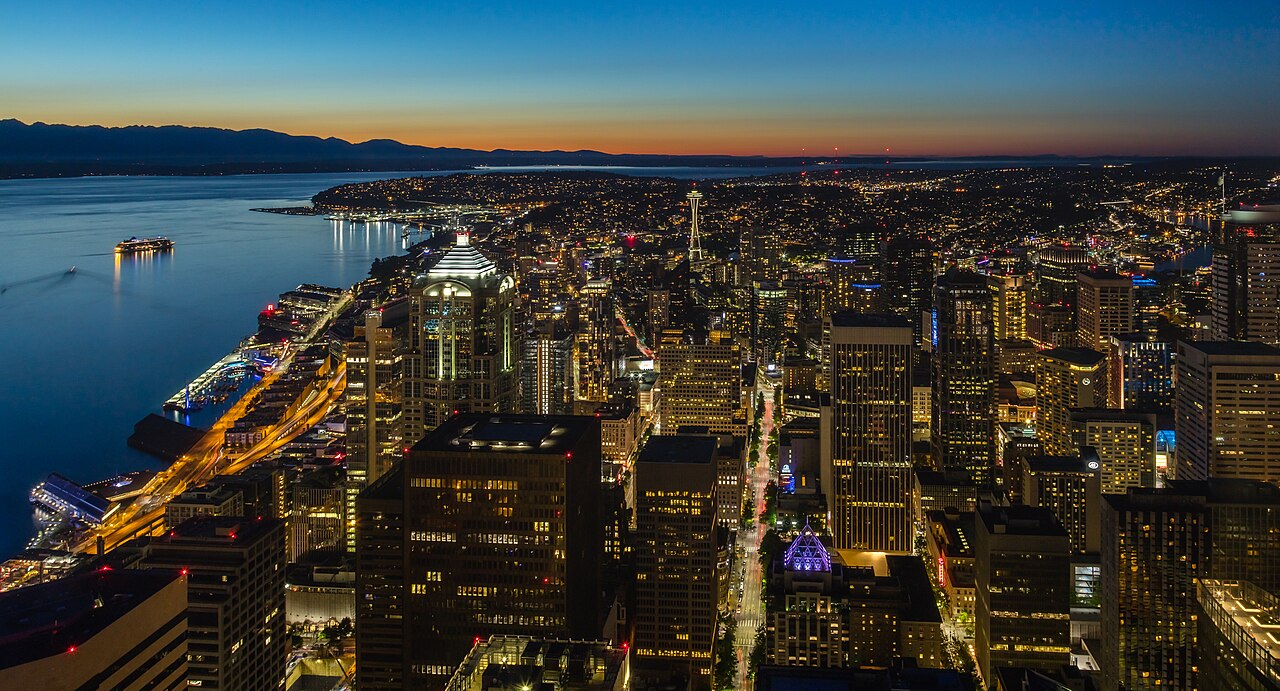
Seattle’s identity is shifting away from its corporate giants toward a renewed focus on hyper-local community hubs. As the summer season hits its stride on this July 5, 2026, the city’s pulse is found in the conversations occurring across counters in Ballard and the preservation efforts thriving in the International District. It is no longer just about the iconic landmarks, but the residents who sustain the cultural infrastructure of these neighborhoods.
The Heart of the Neighborhood
Walking through the historic streets of the International District, the enduring influence of organizations like the Seattle Chinatown-International District Preservation and Development Authority remains the primary driver of the area's resilience. These blocks represent decades of collective effort to maintain heritage while integrating modern needs. Nearby, in the Ballard neighborhood, the shift toward artisanal manufacturing has transformed formerly industrial corridors into bustling spaces where makers engage directly with their customers. Whether at the Ballard Farmers Market or inside the workshops lining Leary Avenue, the faces behind the businesses are the architects of the city’s modern social landscape.
This human-centric development is vital as the city grapples with the pressures of urban growth and changing demographics. Neighborhoods that prioritize walkability and small-scale commerce, such as Fremont and Capitol Hill, show lower vacancy rates in ground-floor retail compared to sectors dominated by large-scale residential developments. Data from the Seattle Department of Construction and Inspections highlights a sustained interest in adaptive reuse projects, which allow historic buildings to serve new roles as community centers. For those looking to experience the city beyond the typical tourist path, the focus remains on supporting businesses that have survived recent economic cycles by leaning heavily into neighborhood loyalty.
Navigating the Local Experience
The most authentic way to engage with these spaces is through the small-scale initiatives that define each district. In Capitol Hill, the independent bookstores and cafes continue to function as essential social forums, often hosting events that are planned months in advance to ensure deep community integration. These venues are not merely places of transaction; they serve as informal town squares where local politics and art converge.
Visitors or residents looking to explore should prioritize visiting during weekday mornings when the pace of these neighborhoods slows enough to allow for genuine interaction with shop owners. The Seattle Public Library’s branch system also remains a cornerstone for local connectivity, often serving as the best source for information regarding neighborhood-specific events and historical archives. By shifting attention toward these localized human connections, the city reveals its true character-one defined not by major skyscrapers, but by the persistent, creative energy of its people.
Covering lifestyle in Seattle. This article was generated by AI from the linked sources and was not reviewed by a human editor before publishing. See our editorial standards.