The S&P 500 closed at 7,483 on Friday, up 1.71 percent, and the Nasdaq Composite hit 25,833, rising 1.87 percent, on a shortened Independence Day session that saw buyers push into technology, financials and consumer discretionary names with unusual conviction. The Dow Jones Industrial Average cleared 52,900, gaining 1.89 percent. For the roughly 340,000 households in the Seattle metro area who hold 401(k) plans and taxable brokerage accounts weighted toward the large-cap indices, the week ending July 4 added meaningful paper wealth, a fact that compounds quickly when annualised returns on the S&P are already deep into double digits for 2026.
The standout number, though, is gold. Spot bullion hit $4,187 per troy ounce, a gain of 4.10 percent in a single session, a move that reflects genuine anxiety running beneath the surface of the equity rally. Investors are buying both risk assets and the traditional hedge simultaneously, a split that typically signals uncertainty about the durability of the run rather than unambiguous confidence. Seattle residents who hold gold ETFs, gold mining equities or even small physical allocations through self-directed IRAs are benefiting from both sides of that trade. Those who have done nothing, and held a vanilla target-date fund inside a Boeing or Amazon 401(k), are doing almost as well on the equity side.
Who Is Positioned to Gain, and What the Numbers Mean for Household Budgets
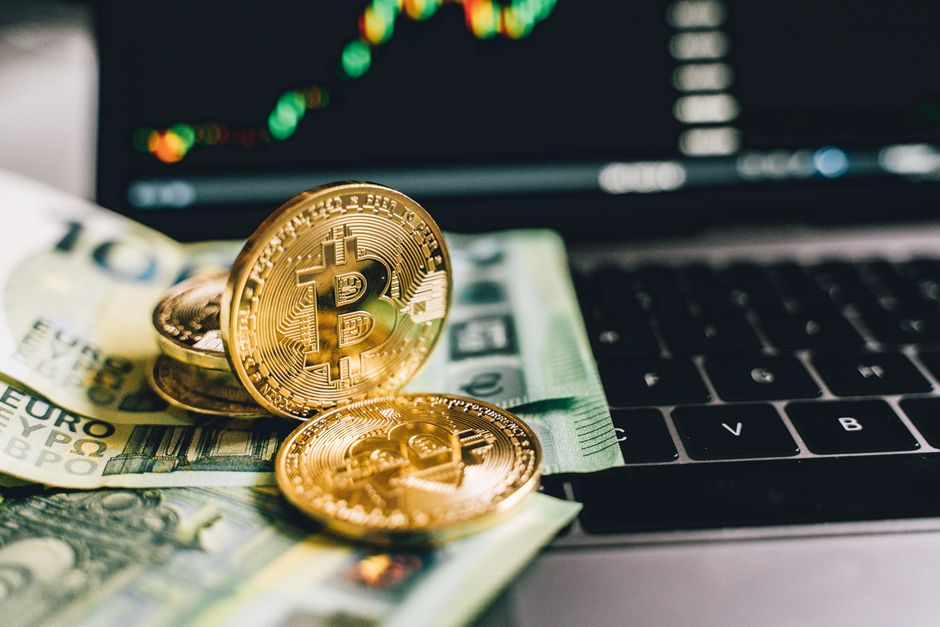
Bitcoin climbed 6.66 percent to $62,456 on Friday, its sharpest single-day gain in weeks. The move will register acutely among younger Seattle tech workers, particularly those at companies inside the Lake Union and South Lake Union corridors who have held crypto exposure since the 2022-23 lows. For that cohort, the combination of a rising Nasdaq and a surging Bitcoin is not abstract: it translates directly into the down-payment runway on a Seattle home, a market where the median sale price in King County has stayed elevated despite mortgage rates that remain well above pre-2022 levels. Every percentage point of portfolio appreciation compresses the years needed to reach a conventional 20 percent deposit.
WTI crude oil fell to $68.78 per barrel, down 2.78 percent. That is the number Seattle commuters and small business owners should circle. Gasoline prices at the pump typically lag crude moves by one to two weeks, which means drivers filling up at stations along Interstate 5, Aurora Avenue or the Eastside corridors should see modest relief before mid-July. For a household running two vehicles and a small service business, a sustained crude decline of this magnitude can free up several hundred dollars a month, cash that can be redirected into high-yield savings accounts, where online banks are still offering rates meaningfully above the Federal Reserve's policy floor.
On mortgages, the picture is more nuanced. Thirty-year fixed rates have not dropped as sharply as some homeowners hoped this year, tracking longer-dated Treasury yields rather than the Fed funds rate. Seattle buyers who locked 30-year loans in 2020 or early 2021 at rates below 3.5 percent should resist every refinance solicitation arriving in their inbox this summer; those loans are generational assets. The more interesting calculation is for adjustable-rate borrowers whose five-year or seven-year ARMs are resetting in 2026. If the crude decline signals softening inflation expectations, and bond markets begin to price in Fed easing later this year, those reset rates could come in lower than worst-case projections from 12 months ago.
Budgeting in Seattle in July 2026 requires acknowledging two uncomfortable baseline facts. First, the city's cost of living index remains among the highest in the continental United States, with childcare, housing and groceries all running well above national averages. Second, wage growth in the technology sector, which anchors the Puget Sound economy, has moderated from the pandemic-era peaks. The workers benefiting most right now are not necessarily the highest earners; they are the ones who automated their contributions to index funds during the 2022 downturn and never stopped, a strategy sometimes called dollar-cost averaging that has been vindicated completely by the 2024-2026 recovery cycle.
The practical takeaway for Seattle households on this holiday weekend is straightforward. Review 401(k) allocations at companies like Microsoft, Costco, Expedia and Alaska Air Group, which are all proxies for the broader Nasdaq and S&P rally. Check whether cash holdings in money market funds are still earning competitive yields before rates move. And treat the gold surge not as a signal to chase, but as a reminder that a portfolio with no hard-asset exposure is one macro shock away from a rougher outcome. The opportunity visible in today's numbers is real. The question is whether Seattle's earners have the structure in place to hold it.