The S&P 500 closed at 7,483 on Friday, up 1.71 percent, as American markets wrapped the Independence Day holiday week in bullish fashion. The Nasdaq Composite added 1.87 percent to 25,833, and the Dow Jones Industrial Average crossed 52,900, gaining 1.89 percent. For anyone holding a 401(k) or a brokerage account heavy in tech, it was the kind of Friday that makes quarterly statements look very good. But two other numbers on the screen told a more cautious story: gold at $4,187 per troy ounce, up 4.10 percent on the session, and WTI crude at $68.78 per barrel, down 2.78 percent. Those moves do not usually travel together in a straightforward risk-on rally. When they do, it typically means investors are buying equities with one hand and buying insurance with the other.
Gold at $4,187 is not a number that shows up in a world where everyone is confident. The metal has now staged one of its sharpest single-session advances of the year, and the driver is a familiar mix: unresolved questions over U.S. fiscal trajectory, persistent uncertainty around Federal Reserve rate timing, and a broad erosion of confidence in the dollar's near-term purchasing power. Seattle-area investors who hold gold through ETFs such as SPDR Gold Shares, or through commodity allocations inside target-date funds, would have seen that position deliver meaningfully on a day when most of the equity gains went to a handful of Nasdaq mega-caps. The diversification argument for gold, which looked academic when equities were calm, is reasserting itself forcefully in the second half of 2026.
Oil's Drop Reaches the Pump, and the Ports
Crude's retreat below $69 per barrel is the number with the most direct bite for greater Seattle. The region's economy runs on logistics. The Port of Seattle and the Port of Tacoma together form the fourth-largest container gateway in the United States, and fuel costs sit inside virtually every line item that moves through those terminals, from shipping contracts to last-mile delivery. Cheaper crude is, in the medium term, disinflationary, which gives the Federal Reserve more room to hold or cut rates. For Seattle homeowners carrying adjustable-rate mortgages, or for small businesses watching their variable-rate credit lines, softer oil prices working their way through the inflation data is genuinely good news, even if the benefit takes a quarter or two to show up clearly.
The complication is that oil is falling partly because global demand signals are soft. Manufacturing surveys out of Europe and parts of Asia have been disappointing through the second quarter, and if freight volumes at Pacific Northwest ports begin to reflect that slowdown, the local employment picture in warehousing and transportation could shift. Boeing, headquartered in Arlington, Virginia but with its largest manufacturing footprint still in the Puget Sound region at its Renton and Everett facilities, is sensitive to both fuel prices and international order flow. A world in which airlines pay less for jet fuel is good for aircraft demand, but a world in which trade volumes are contracting is not. Both are present in Friday's data.
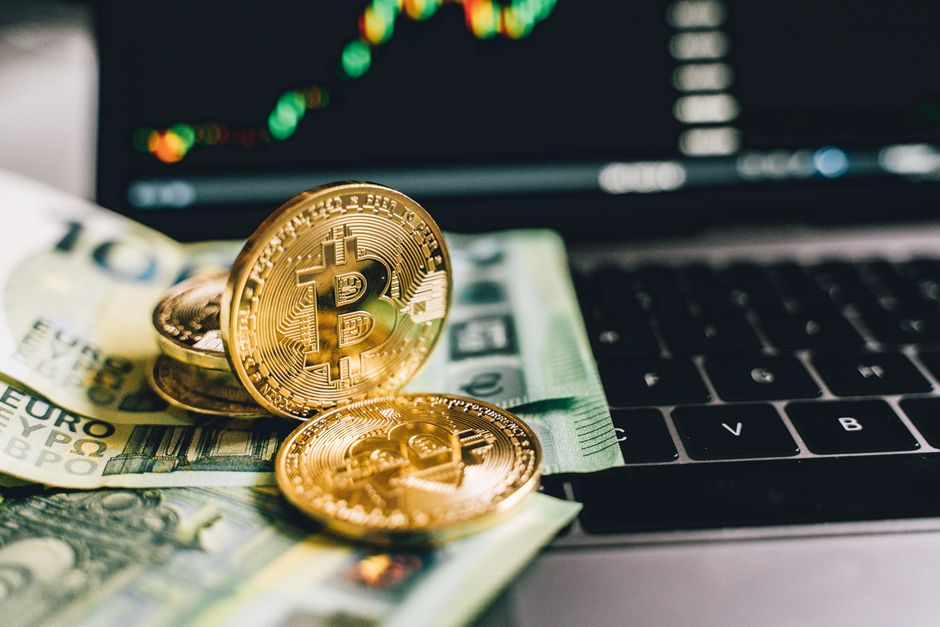
Bitcoin's 6.66 percent surge to $62,456 adds another layer. The cryptocurrency recovered ground it had lost over the previous two weeks, and the move tracked broadly with the equity rally rather than with gold, suggesting it is still behaving more like a risk asset than a safe haven on most trading days. For Seattle's sizeable technology and startup community, where crypto holdings are common among early employees and founders, the bounce will be welcome. It does not, however, change the fundamental volatility profile that makes it an unreliable substitute for more conventional savings.
The through-line across all four of these moves, equities up, gold up sharply, oil down, Bitcoin bouncing, is that markets are pricing multiple futures simultaneously. The equity rally reflects genuine earnings strength, particularly among the large-cap technology companies that dominate the Nasdaq and in which Pacific Northwest workers are disproportionately compensated through stock grants and options. The gold surge reflects a hedge against the scenario where that earnings strength is not enough to offset macro deterioration. The oil drop reflects real demand concern. None of these readings is wrong; they are simply emphasising different parts of the same uncertain outlook.
For Seattle households reviewing their mid-year financial position this holiday weekend, the practical implication is straightforward. Equity exposure has paid off year-to-date, but concentration risk in any single sector, particularly technology, remains elevated. Gold's performance argues for at least reviewing whether commodity exposure inside retirement accounts is sized appropriately. And the oil-driven inflation relief, real as it is, should be weighed against the demand weakness that is causing it, particularly for anyone whose income is tied to trade-dependent sectors along the waterfront or in aerospace supply chains. The world's competing signals are loud this July 4th. The smart money is listening to all of them.