Markets put on a show for Independence Day. The S&P 500 closed at 7,483, up 1.71 percent, the Nasdaq Composite pushed to 25,833 for a 1.87 percent gain, and the Dow crossed 52,900. Gold settled at $4,187 per ounce, a 4.10 percent single-session jump that reflects persistent anxiety underneath the equity celebration. For Seattle-area workers with 401(k) accounts heavy in tech-linked index funds, the numbers look encouraging on paper. The harder question is whether those paper gains translate to real purchasing power in a metro where the median asking rent for a two-bedroom apartment in Capitol Hill has not meaningfully retreated in two years.
The connection between equity markets and Seattle's cost-of-living squeeze is tighter than it looks. Amazon, Microsoft, and a cluster of mid-cap cloud and semiconductor firms headquartered or substantially staffed along the SR-520 corridor anchor the Nasdaq's outsized weight in local retirement accounts. When the Nasdaq rips nearly two percent in a session, it lifts balances for tens of thousands of South Lake Union and Redmond employees. But those same companies have spent the past eighteen months recalibrating their hybrid-work policies and re-anchoring compensation benchmarks to local housing realities, creating a feedback loop that is reshaping who takes a job offer in Seattle and who turns it down.
The Talent Calculus Has Changed
Recruiters at several Puget Sound-based technology firms have noted privately that offer-acceptance rates for candidates relocating from Austin, Denver, and the Research Triangle in North Carolina have softened considerably since early 2025. The sticking point is almost always housing. A total compensation package that looks competitive against a national average becomes materially less attractive once a candidate prices a three-bedroom home in Kirkland or Bellevue, where listing prices remain well above the national median. Companies that once relied on equity grants as the primary relocation sweetener are being pressed to offer housing stipends or extended temporary-accommodation budgets, adding friction and cost to every senior hire.
The irony is acute. The same equity rally that padded existing employees' vested stock accounts on Friday also inflated the net worth of Seattle homeowners, most of whom bought years ago and are not selling. Inventory in King County remains constrained. The homeowners who would logically downsize or relocate are, in many cases, sitting on low-rate mortgages originated before 2022 and have little financial incentive to move. That lock-in effect keeps supply tight and sustains prices at levels that deter inbound talent, even as Nasdaq gains keep the tech sector nominally flush.
Gold's move to $4,187 adds a separate layer of signal. When the yellow metal gains more than four percent in a single session while equities also rally, it typically indicates that a segment of investors is hedging against something structural, whether that is currency debasement, persistent inflation, or geopolitical stress. For Seattle residents carrying variable-rate home equity lines, any scenario that keeps the Federal Reserve cautious about cutting rates is a direct budget concern. Those lines, often used to finance renovations or bridge financing gaps during home purchases, reprice with the benchmark rate. A market that cheers equities while simultaneously bidding gold to record territory is not sending a clean all-clear signal on inflation.
WTI crude's 2.78 percent drop to $68.78 per barrel offers modest relief. Lower oil prices feed through to gasoline costs within weeks, which matters in a sprawling metro where a significant share of the workforce commutes by car from Pierce County, Snohomish County, and the eastern suburbs. A sustained softening in fuel costs modestly reduces the effective cost-of-living burden, though it is unlikely to move the needle on housing affordability in any direct sense.
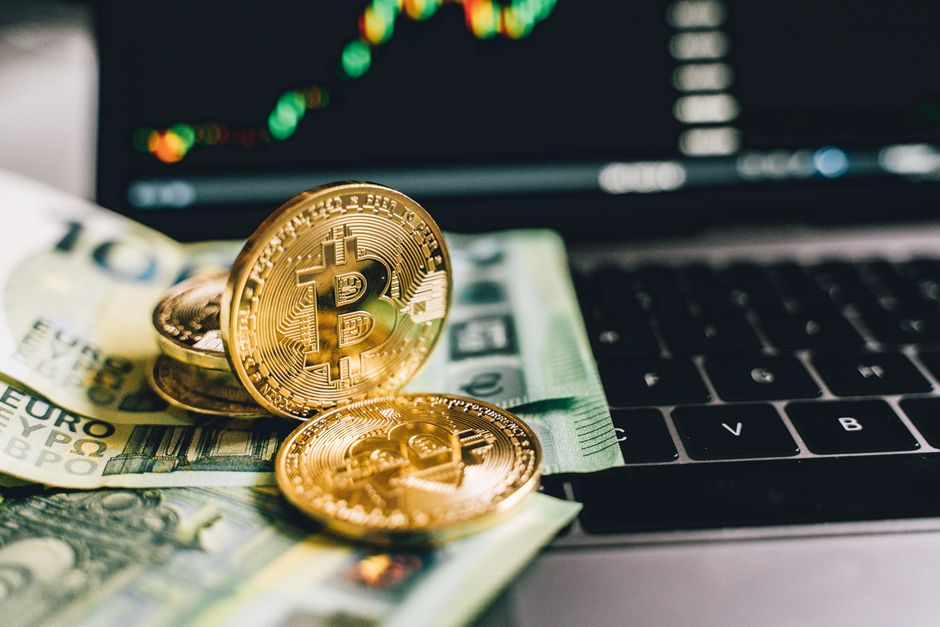
Bitcoin's 6.66 percent surge to $62,456 is worth flagging for a different reason. Seattle has an unusually high concentration of crypto-adjacent workers, from blockchain developers at smaller startups to engineers at major exchanges with Pacific Northwest offices. A sharp single-day move in Bitcoin tends to affect discretionary spending and risk appetite among that cohort almost immediately. Historically, Bitcoin rallies of this magnitude correlate with increased leasing activity in Seattle's Class A office submarket as smaller crypto and fintech firms expand headcount on confidence. Whether Friday's move has legs will matter for the commercial property sector in Pioneer Square and SoDo, where several digital-asset firms hold leases.
The structural tension for Seattle is not going away this quarter. Equity markets reward the companies that employ the city's highest earners. But those gains accrue primarily to people already inside the ownership class, either through stock compensation or property equity. For the worker considering a move to Seattle, or the mid-career professional weighing whether to stay, a Nasdaq at 25,833 is background noise. The mortgage payment is not.