The S&P 500 closed Friday at 7,483, up 1.71 percent, and the Nasdaq Composite added 1.87 percent to settle at 25,833. Fireworks for the Fourth, and not just the literal kind. For Seattle residents with 401(k) accounts or taxable brokerage holdings, the rally is welcome, but the more instructive number may be gold, which climbed 4.10 percent to $4,187 per troy ounce. That is a defensive signal buried inside an otherwise euphoric session: institutional money is hedging even as retail sentiment runs hot.
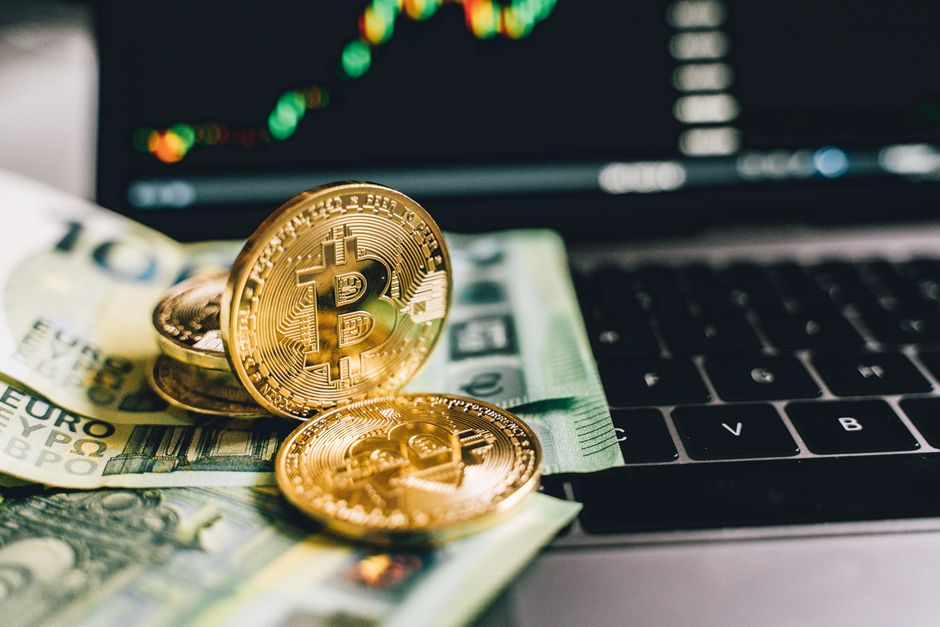
Bitcoin surged 6.66 percent to $62,456 over the same period. WTI crude fell 2.78 percent to $68.78 a barrel, which should translate to modest relief at the pump for Seattle commuters, particularly those driving in from suburbs like Kirkland and Renton where car dependency remains high. Cheaper crude also reduces input costs for Boeing's supply chain partners clustered around Everett, a detail worth watching for anyone holding aerospace exposure in their portfolio.
What the Numbers Actually Mean for a Seattle Household
Seattle's median home price has held well above $800,000 through the first half of 2026, according to Northwest Multiple Listing Service figures published in June. With the 30-year fixed mortgage rate still elevated relative to the pandemic-era lows, a household carrying a $750,000 mortgage is paying somewhere north of $4,500 a month in principal and interest alone, before property taxes and insurance. The equity surge in tech-heavy retirement accounts looks impressive on paper, but it does not write the mortgage check.
That tension, strong portfolio balances alongside brutal fixed monthly costs, is precisely the gap that Maya Okonkwo, founder of the Capitol Hill-based financial coaching firm Grounded Wealth LLC, has built her practice around. Okonkwo launched Grounded Wealth in March 2024 with a single focus: helping dual-income Seattle households earning between $180,000 and $350,000 annually who still feel financially precarious. Her client list has grown to more than 140 households. She charges a flat $3,200 annual retainer, no assets under management, no product commissions.
Her core methodology, which she calls the 50/30/10/10 framework, splits take-home pay into housing and fixed costs (50 percent), discretionary spending (30 percent), retirement contributions beyond any employer match (10 percent), and a dedicated taxable brokerage or high-yield savings account (10 percent). The last bucket is the one most clients skip. "People max the 401(k) and feel done," she told a packed workshop at the Seattle Public Library's Central Branch last month. "Then they have no liquidity and end up using a HELOC the first time the furnace breaks." Grounded Wealth's model discourages HELOC reliance as a substitute for a genuine cash buffer, a timely caution given that home equity lines have become more expensive as rates have stayed elevated.
On the savings side, several Seattle-area credit unions and online banks are still offering high-yield savings rates in the 4.5 to 5 percent range for balances above $10,000, though that window could narrow if the Federal Reserve resumes cutting later in 2026. Locking a portion of cash reserves into a 12-month CD now, before any rate move, is a straightforward play that Okonkwo recommends to clients who have already built a three-month emergency fund.
For the equity portion of a Seattle household's retirement account, the July 4 session underscores a theme that has defined much of 2026: mega-cap technology stocks listed on the Nasdaq have disproportionately driven index gains, meaning a standard S&P 500 index fund carries heavier concentration in a handful of names than the raw diversification story implies. Adding a small-cap value tilt through a fund like one tracking the Russell 2000 is a way to reduce that concentration without abandoning passive investing. Gold's run to $4,187, up sharply on the day, also prompts a look at whether a 5 percent allocation to a gold ETF makes sense as a volatility buffer, particularly for households within a decade of retirement.
The Bitcoin number, $62,456 and rising, will catch eyes among younger Seattle earners who have watched the asset both double and halve within 18-month windows before. Okonkwo keeps crypto allocations for her clients below 3 percent of total net worth, treating it as speculative rather than strategic. That discipline looks conservative in a week like this one. It looked prudent in the drawdown months of 2025. The broader point, which the gold and crude moves reinforce together, is that July 4, 2026 is a day of cross-currents, not a simple risk-on signal. Build the budget, fund the emergency account, and let the S&P do what it does. Seattle's cost structure demands nothing less than that kind of rigour.