Business
Tech Layoffs and Hybrid Work: How Seattle’s Shifting Economy Is Redefining the Local Talent Market
A wave of tech downsizing and a surge in hybrid work are tilting the balance in Seattle’s storied job landscape.
3 min read
Updated 2 h ago
Business
A wave of tech downsizing and a surge in hybrid work are tilting the balance in Seattle’s storied job landscape.
3 min read
Updated 2 h ago
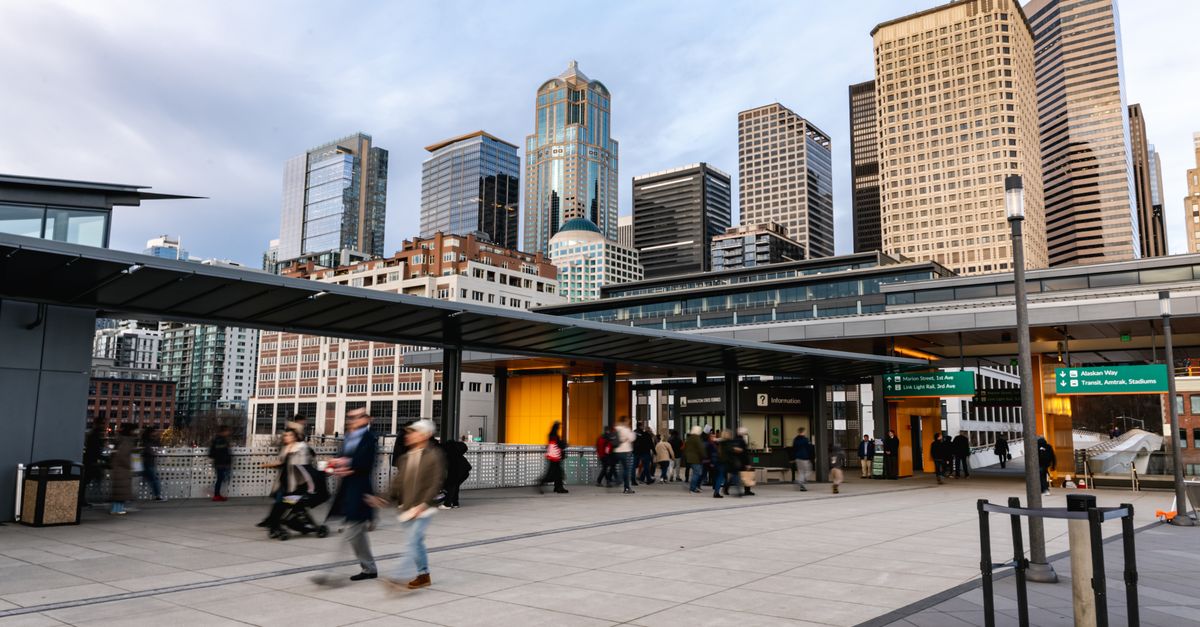
Amazon’s latest round of layoffs—1,200 corporate roles cut from three different divisions in June—sent another tremor through Seattle’s fast-changing employment scene, as other tech employers including Expedia Group and Zillow quietly trimmed headcounts this quarter.
The shakeups come at a moment when Seattle’s labor market, once buoyed by relentless technology sector hiring, is recalibrating under the twin pressures of cost-cutting at major firms and a near-permanent shift to hybrid work. For jobseekers, some sectors are cooling, but new opportunities are blooming in places most Seattleites wouldn’t have expected five years ago.
In South Lake Union and the Denny Triangle, offices that were once filled with Amazon and Facebook badges are increasingly shared by smaller startups and life sciences ventures. At the WeWork in Midtown21 on Howell Street, occupancy remains steady not because of big tech, but thanks to new biotech tenants like Sana Biotechnology and Adaptive Biotechnologies, which both expanded their Seattle footprints this spring. Meanwhile, in SODO, former warehouse spaces have been converted to flex workspaces and are attracting logistics and e-commerce upstarts drawn by cheaper rents—current listings on 1st Avenue South are going for as low as $31 per square foot, the lowest in nearly a decade.
Programs like the Seattle Tech Talent Pipeline, administered by the Seattle Jobs Initiative and Seattle Colleges, report that mid-career reskilling enrollments are up 40% since January. "We’re seeing a rush of experienced project managers and engineers from laid-off big tech jobs now retraining in machine learning, green energy, and health informatics," said a program administrator.
Crunchbase data shows 37 Seattle companies raised new funding in Q2, with health tech and AI seeing the most activity. According to the Downtown Seattle Association, office vacancy rates in the Downtown core hit 23.8% in June—while this sounds dire for landlords, it’s given smaller enterprises a shot at spaces that were out of reach before the pandemic. Apartment rental prices in Belltown and Capitol Hill have held steady since last year, hovering around $2,350 a month for a one-bedroom. In contrast, Redmond and Bellevue saw average monthly rates drop by $110 since March, per Zillow’s June rental report.
On the job front, Indeed lists 7,200 open tech roles across King County as of July 1, down from 9,400 last summer. But industries like cleantech, biotech, and construction have posted net increases in openings. The City of Seattle’s Office of Economic Development pointed to its recent Talent Bridge Grant, launched in March, which has already placed over 200 workers affected by major layoffs into roles with 34 small businesses—nearly half of them in the city core and the University District.
For professionals navigating the market, the message is clear: flexibility and upskilling are now non-negotiable. Recruiters at local firms urge candidates to highlight versatility with hybrid work, and to consider fast-growing sectors outside the historic tech corridor.
Seattleites returning from Fourth of July heatwave-cancelled parades may notice: the city’s business mix is in flux, but a new talent competition is underway—this time, it’s about adaptability and finding opportunity beyond the shadow of big tech.
About this article
Published by The Daily Seattle
Spread the word
Daily brief
Free, in your inbox before 7am. Weekdays.
The Daily Network — local news across Australia