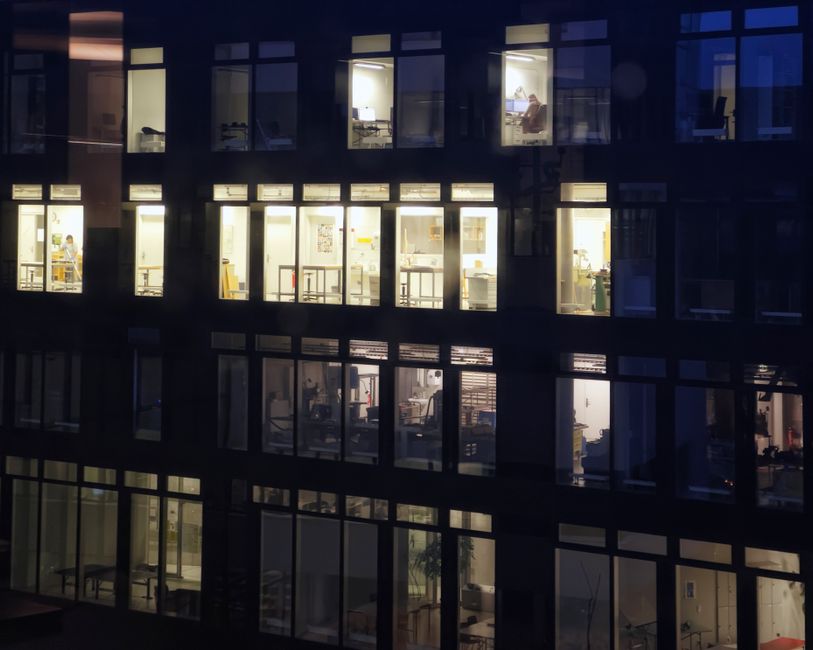
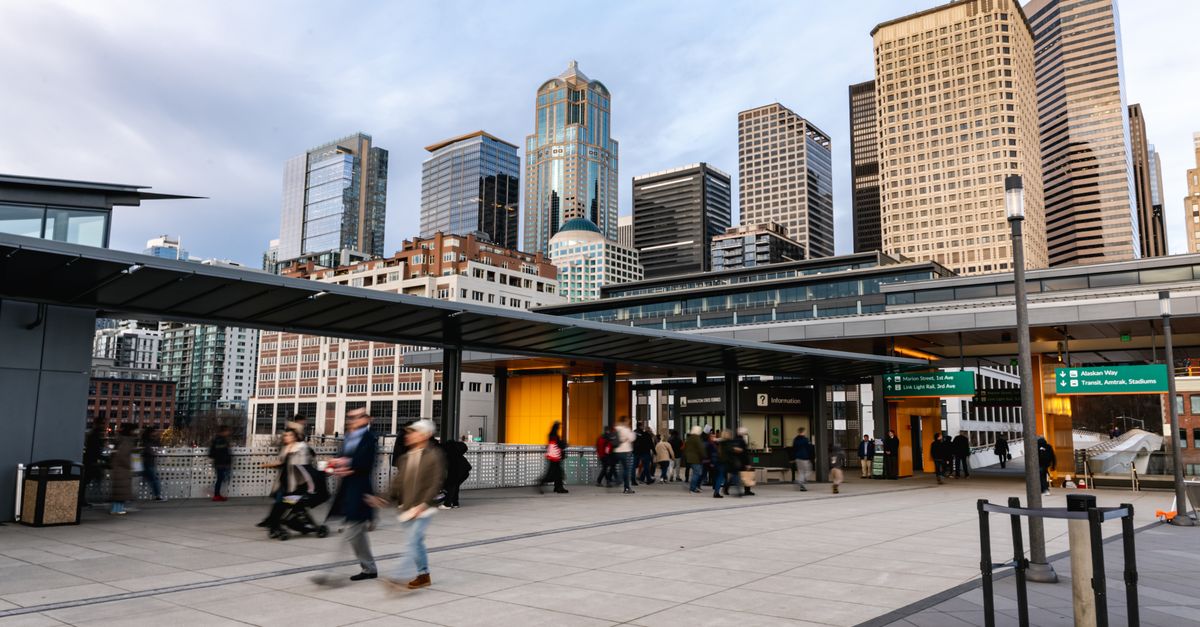
Office vacancy across greater Seattle hit 22.4 percent in June, according to figures compiled by Kidder Mathews, the highest mid-year rate the market has recorded since the post-pandemic restructuring of 2021. That number matters because it arrives just as global uncertainty — wars grinding across Eastern Europe, energy disruptions rippling out of Russia, a major geopolitical transition underway in Iran — is pushing multinational tenants to delay lease decisions they had pencilled in for late 2026.
For local landlords and small business owners alike, the timing is awkward. The second half of the year typically drives a surge in commercial leasing activity in Seattle, with companies finalising footprints before budget cycles close. This year, that window is narrower and more competitive than it has been in at least four years.
Where the Pressure Points Are
South Lake Union, long the gravitational centre of Seattle's tech-anchored office market, is sitting on roughly 4.2 million square feet of available space as of July 1. Several blocks along Westlake Avenue North that were fully absorbed by Amazon and its contractors in 2019 are now being quietly remarketed at asking rents around $42 per square foot annually — down from $58 in early 2024. Brokers working the corridor say concession packages, including 12 to 18 months of free rent on five-year deals, are becoming standard rather than exceptional.
The picture on Capitol Hill is different. Retail on Pike and Pine Streets between Broadway and 15th Avenue East has tightened considerably since the neighbourhood's 2023 safety and activation push. Storefront vacancy on that stretch dropped to roughly 8 percent in Q2, and asking rents for ground-floor retail have climbed back toward $38 per square foot annually. Independent food and beverage operators — the kind that defined Capitol Hill's identity before the pandemic — are getting squeezed out by national concepts willing to pay premiums. The Seattle Office of Economic Development flagged this displacement pressure in its May 2026 Small Business Retention Report, and the agency's Storefront Stabilization Fund, which offers forgivable loans up to $50,000 for qualifying independent retailers, has seen applications spike 34 percent since January.
In Belltown and the Denny Triangle, co-working operators are back, but in a different form. Spaces like those operated by WeWork's restructured Pacific Northwest franchise and several independent operators on 2nd Avenue are now pitching 90-day rolling memberships rather than traditional annual desks, a direct response to the hybrid-work volatility that has made long-term space commitments toxic for smaller firms.
Industrial and the Jobs Picture
Not everything is under pressure. Industrial real estate around the Port of Seattle and the SODO district remains the market's strongest segment. Vacancy there sits below 4 percent, and asking rents for warehouse and distribution space along East Marginal Way South have reached $18 per square foot annually, a record. Logistics companies serving the growing trans-Pacific consumer goods corridor are driving demand, and the Washington State Department of Commerce reported in June that freight and warehousing added 1,800 jobs in King County during the first five months of 2026.
The broader King County unemployment rate stood at 4.1 percent in May, fractionally above the national figure of 3.9 percent. Healthcare and life sciences hiring at institutions including UW Medicine and the Fred Hutchinson Cancer Center has partially offset layoffs in the software sector, where several mid-sized firms on the Eastside trimmed headcount in Q1.
Businesses working through Q3 planning need to move on a few things quickly. The City of Seattle's permit office, which reduced its commercial permitting backlog by 18 percent after hiring 12 additional reviewers in March, is now processing tenant improvement applications in roughly 11 weeks — the fastest turnaround since 2019. Companies eyeing a physical expansion or a lease renegotiation should be talking to their architects and attorneys now, not after Labor Day. The concessions available today in South Lake Union and Belltown will not last once macro uncertainty stabilises. Hesitation is its own kind of decision.