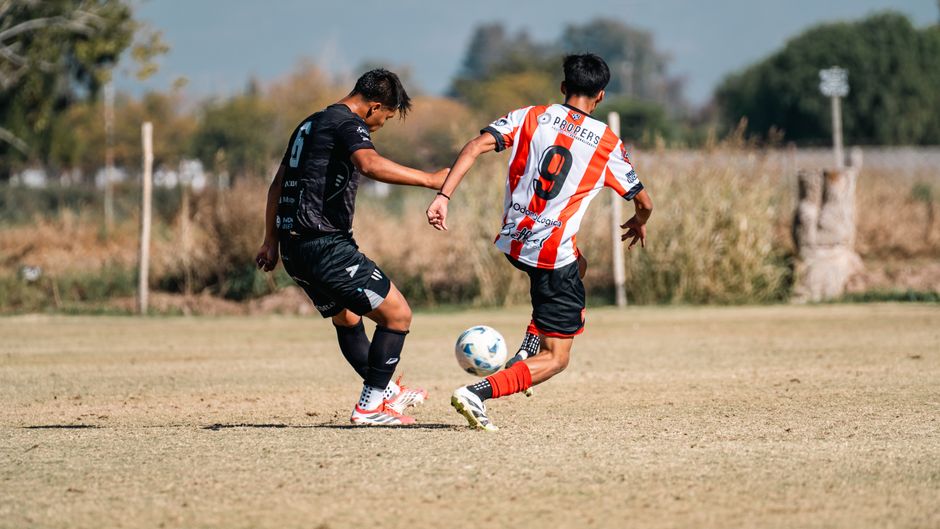
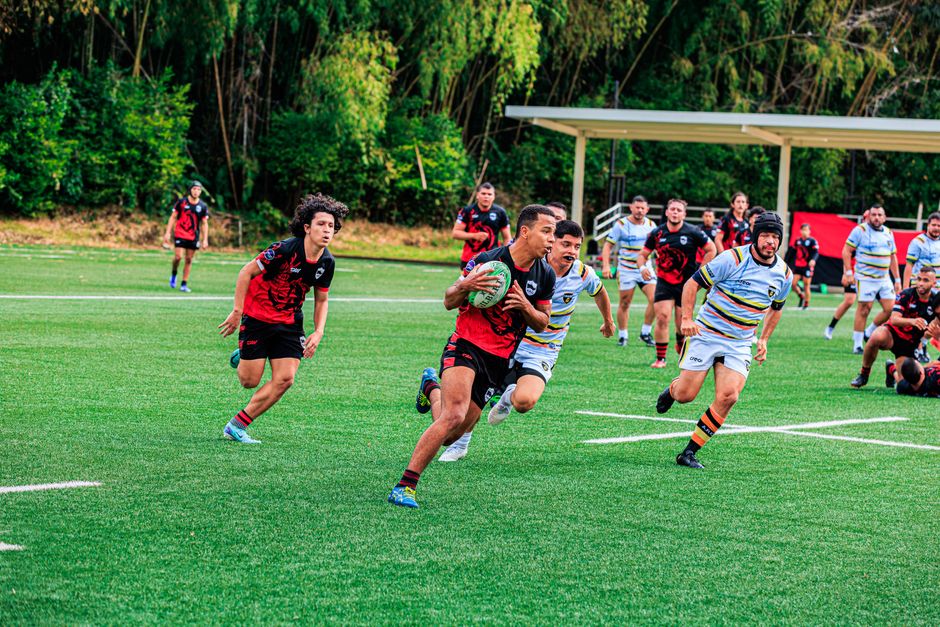
More than 14,000 Seattle residents registered for a city-run recreational league program in the first six months of 2026 — a 22 percent jump over the same period last year — and the people organizing those leagues say the numbers barely scratch the surface of what's actually happening on the ground.
The surge matters for a specific reason tied to timing. Seattle Parks and Recreation completed a $4.1 million overhaul of the Lower Woodland Park fields in Wallingford in March, and that investment has functioned almost like a starter pistol. Organizers who had been running informal programs on muddy, underlit patches of grass now have usable infrastructure. The result is a cascade: better fields draw more participants, more participants attract sponsors, and sponsors fund expansion into neighborhoods that had been largely cut out of the picture.
Roots in the Neighborhoods
The real organizing energy is not coming from the Parks Department, however. It's coming from groups that predate the renovations by years. Rainier Beach United FC, the South End soccer collective that started as a Sunday pickup circle in 2019, now runs four age-group teams and a Tuesday evening women's futsal session out of the Rainier Beach Community Center on Rainier Avenue South. The program charges $40 per season — deliberately kept below the $120-to-$180 range typical of club soccer — and offers full waivers to families who qualify for free school lunch.
Up in the CD, the Central District Athletic Collective has built a different model around basketball. The group controls court time at Garfield Community Center on 23rd Avenue, running a 3-on-3 summer series that drew 480 registered players for its June 28 opening weekend. Entry is free. The collective funds itself through a combination of small business sponsorships along 23rd Avenue and an annual fundraiser held each spring at the Langston Hughes Performing Arts Institute two blocks away.
Interbay tells yet another version of the story. The Interbay Youth Baseball program, operating out of the historic Interbay P-Patch complex near 17th Avenue West, has trained more than 300 kids aged seven to fourteen this summer alone. The program partners with the Seattle School District to bus children from Title I schools in SoDo and Georgetown — neighborhoods with almost no accessible diamond space — for twice-weekly sessions starting at 8 a.m.
The Money and the Momentum
Funding remains the chronic pressure point. Seattle's 2026 city budget allocated $2.8 million to community recreation grants, a figure that sounds substantial until measured against demand. Applications submitted to the Parks Department's Neighborhood Matching Fund for sport-related projects totaled $6.3 million this cycle, meaning organizers are competing for less than half of what they requested.
Despite that gap, the movement has developed its own financial logic. The King County Parks levy, renewed by voters in November 2025 by a margin of 58 percent, earmarked $900,000 annually for grassroots sport infrastructure across unincorporated areas adjacent to Seattle's borders, which pushes resources toward corridors like White Center and Skyway that city programs often miss. Organizations in those zones are already forming coalitions to pool grant applications and share facilities.
The model gaining the most traction is the hybrid one: a nonprofit spine with a sliding-scale fee structure and a formal partnership with at least one public facility. Groups that have that combination — Rainier Beach United FC being the clearest local example — show retention rates above 70 percent year over year. Those that rely entirely on either public funding or entirely on fees tend to fluctuate sharply.
For Seattle residents who want to get involved, the most direct entry point right now is the Seattle Parks online recreation portal, which lists open registration for fall leagues starting August 18. Organizations like the Central District Athletic Collective and Rainier Beach United FC accept volunteer coaches through rolling applications — no formal certification is required to start, though USA Soccer and USA Basketball both offer free Level 1 online courses that most programs now request within the first season. The fields are ready. The rosters have room.