Seattle's publicly owned sports venues are carrying more weight than ever this summer, with Climate Pledge Arena hosting back-to-back Seattle Storm playoff warm-up games through the first week of July and Lumen Field preparing to welcome 69,000 fans for the Sounders FC home stretch beginning July 12. The city's three major pro facilities — Climate Pledge, Lumen, and T-Mobile Park in SoDo — collectively welcomed more than 4.1 million visitors in the first half of 2026, according to figures compiled by the Seattle Office of Economic Development.
That traffic matters because Seattle is mid-cycle on a decade-long infrastructure push that began after the pandemic gutted venue revenue and forced the city to renegotiate long-term lease arrangements with the Mariners, Sounders, and the newly rechristened Seattle Kraken. King County's 2023 venue bond measure, which passed with 61 percent approval, released $180 million specifically for Lumen Field structural repairs and ADA compliance upgrades — work that is now visibly underway along the stadium's First Avenue South facade, where scaffolding has covered the eastern concourse since April.
Inside the Upgrades: SoDo to South Lake Union
At Climate Pledge Arena on Queen Anne, the second phase of its $740 million overhaul wrapped in March, adding 14 new premium club suites on the 200 level and expanding the arena floor's flexible configuration to better accommodate the Storm's surging attendance. The Storm averaged 17,230 fans per home game in the 2025-26 WNBA season, a franchise record, and demand for single-game tickets on Ticketmaster's resale platform regularly pushed floor seats past $280 in June. The NHL's Kraken finished their playoff run in May, but the organization confirmed this week it has signed a 10-year extension with Oak View Group to manage the arena through 2036.
T-Mobile Park has its own renovation story. The Mariners opened a redesigned centerfield gathering space called The Pen — a 3,200-square-foot standing-room zone with a view directly over the pitcher's bullpen — on Opening Day 2026. Season attendance through June 30 sits at 1.18 million, roughly on pace with the club's 2024 total of 2.4 million, though the team's 47-38 record has given ticket brokers on First Avenue South reason for optimism heading into the second half.
Community Fields Are the Other Half of the Story
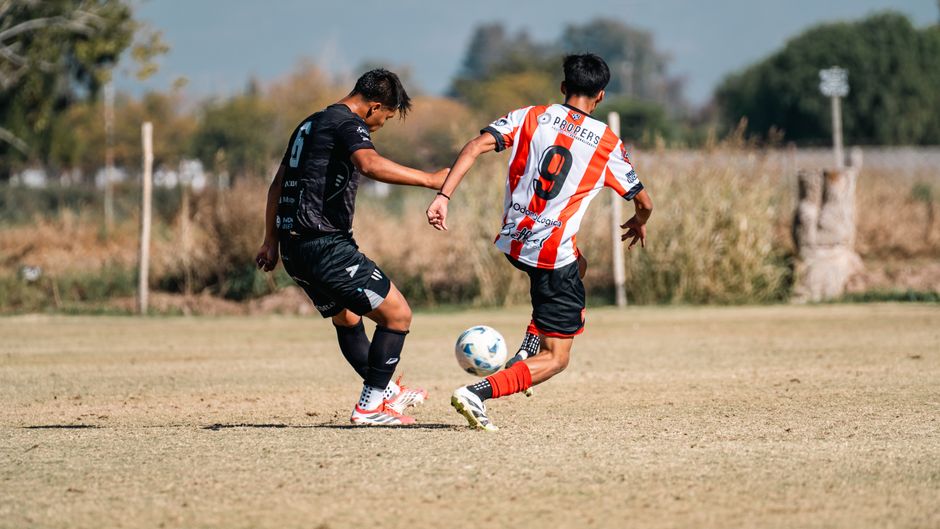
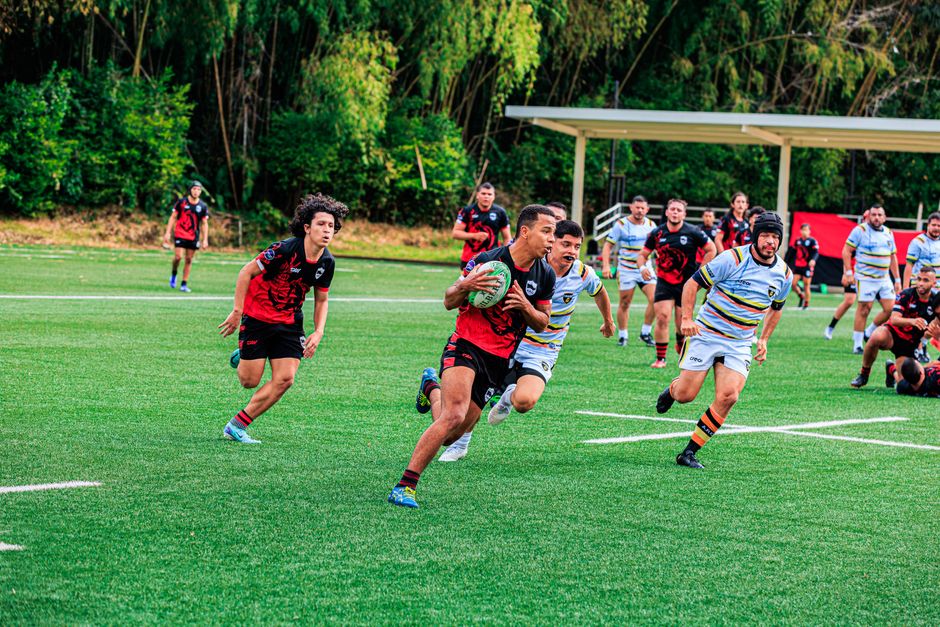
The professional venues grab headlines, but the Seattle Parks and Recreation Department is simultaneously managing a $42 million overhaul of community athletic facilities across 12 neighborhoods. Rainier Beach Athletic Complex in South Seattle received a new all-weather turf pitch in May, its first full resurfacing since 2011. Jefferson Park on Beacon Hill is scheduled to break ground on a second multi-use court in August, part of a Department of Neighborhoods grant tied to the city's 2024 Parks Levy.
The Interbay Athletic Complex near Magnolia, which houses four soccer fields, two baseball diamonds, and a driving range, is in line for $6.8 million in drainage and lighting improvements beginning in September. Seattle United FC, one of the largest youth soccer clubs in the Pacific Northwest with roughly 3,400 registered players, uses Interbay as a primary training site and has lobbied the Parks Department for covered sideline structures since 2023.
Taken together, the public investment arriving this summer represents the densest concentration of sports infrastructure spending Seattle has seen since the lead-up to the 2026 FIFA World Cup — though the city lost its bid to host group-stage matches to Vancouver and Los Angeles. City council members on the Civic Facilities Committee are scheduled to review progress reports on all active venue projects at a July 15 session at City Hall. Residents who want to track spending or flag construction concerns can submit comments through Seattle's Capital Projects portal at seattle.gov, which lists all active Parks and Recreation contracts by neighborhood.