wellness
Seattle Pools Expand Programs Across All Ages, Boost Community Health
From toddler swim lessons at Mounger Pool to senior aqua-therapy at Rainier Beach, the city's aquatic centers are evolving into vital hubs for year-round fitness and social connection.
How we reported this
Seattle Parks and Recreation opened registration for its late-summer aquatic programs last week, and the demand for low-impact water fitness classes has surged past pre-pandemic levels. Officials confirmed that classes like aqua-jogging and deep-water aerobics at facilities from Ballard to the South End were more than 80% full within the first 48 hours, a clear signal that Seattleites are increasingly turning to public pools for more than just a summer cool-down.
The renewed focus on community water-based wellness comes as residents seek out affordable, joint-friendly exercise options and a way to reconnect socially. After several years of relative isolation and a shift towards solo home workouts, group exercise in a shared public space is seeing a citywide resurgence. For a population that includes both active millennials and a growing number of retirees, the unique properties of water-providing resistance without impact-make pools an ideal fitness venue for all ages and abilities.
Water for All at City Hubs
Seattle’s network of eight indoor public pools forms the backbone of this trend. At the Meadowbrook Pool, just off 35th Avenue Northeast, the weekday morning schedule is a cross-section of the community. Lap swimmers share the lanes with a popular senior water-walking class, while the shallow end is booked for parent-and-toddler introduction sessions. The city has standardized its pricing to encourage access; a drop-in swim for an adult costs $7.25, with discounts for seniors and youth, and a scholarship program is available for low-income families.
Private facilities are also seeing increased interest. Safe N Sound Swimming, with locations in Queen Anne and Ballard, reports that its adult learn-to-swim classes have a running waitlist. Their focus on small class sizes and overcoming water anxiety caters to a demographic that may not have had access to lessons as children. The program’s success underscores a broader desire for foundational wellness skills, not just high-intensity workouts.
More Than Just a Swim
The city's most unique facilities highlight the diverse potential of aquatic fitness. The Colman Pool in West Seattle’s Lincoln Park, the city's only heated outdoor saltwater pool, offers a rare opportunity for open-air swimming with views of Puget Sound during its limited May-to-September season. Its summer schedule is a major draw for families and long-distance swimmers alike.
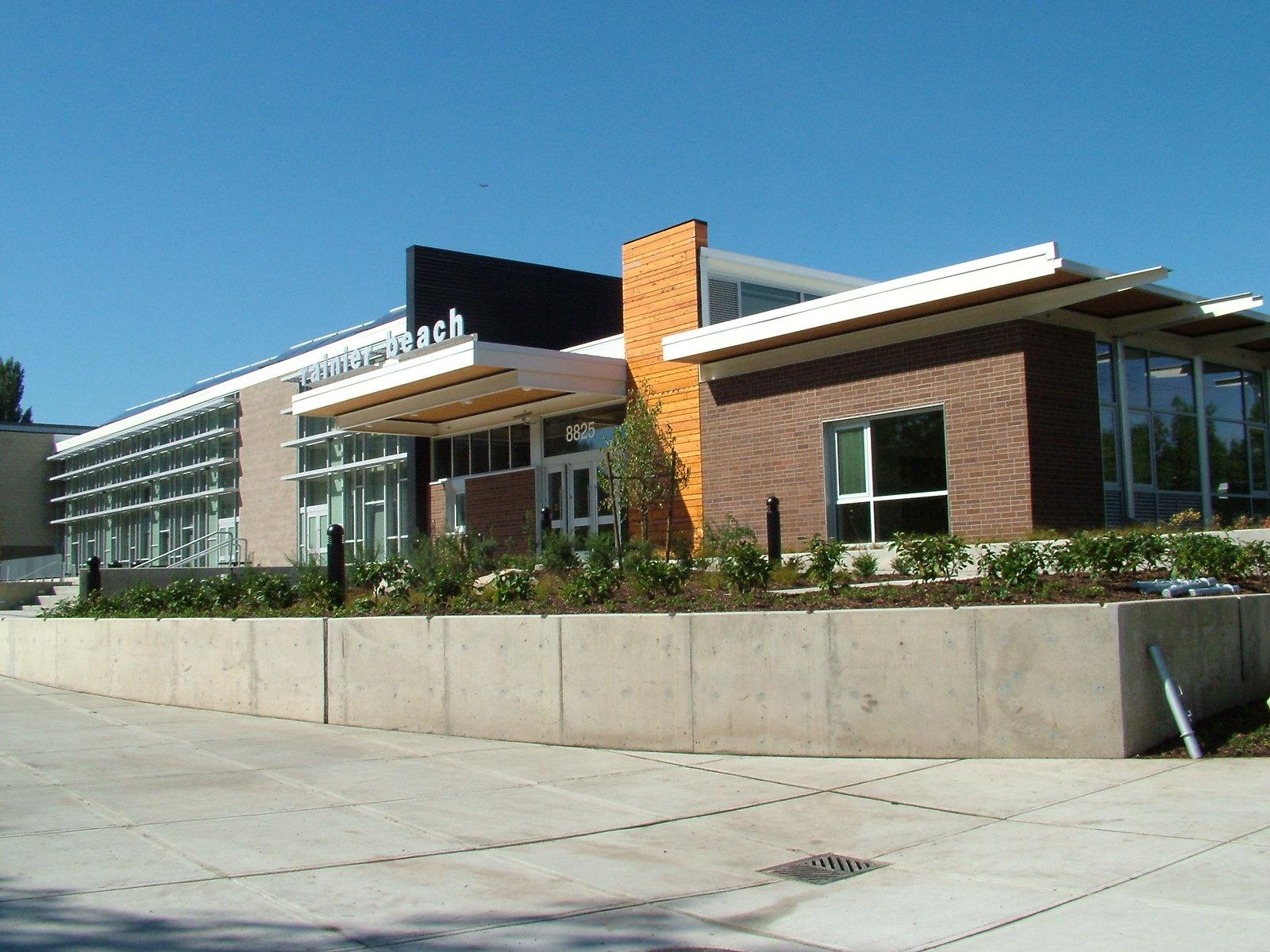
Further south, the Rainier Beach Community Center & Pool has redefined what a neighborhood aquatic center can be. Opened in 2013, its design includes a lazy river, a corkscrew water slide, and a warm-water leisure pool alongside its six-lane lap pool. This blend of recreation and fitness has made it a destination. It hosts specialized programs, including adaptive swim lessons for individuals with disabilities and specific hydrotherapy sessions that use the water's buoyancy to assist with physical rehabilitation, supported by partnerships with local health organizations.
For residents looking to get involved, the Seattle Parks and Recreation website provides comprehensive schedules and online registration for all its facilities. Most pools offer a mix of drop-in public swim times and structured classes, with registration for the fall 2026 season set to open on August 12th. Given the current demand, department staff advise residents to create an online account and register early to secure a spot.