wellness
Seattle's Sleep Crisis: Dark Skies and Late-Night Screens Revealed
From the perpetual grey skies of November to the blue-light glow of Capitol Hill apartments at midnight, the Pacific Northwest has a sleep problem, and the science is catching up to it.
How we reported this
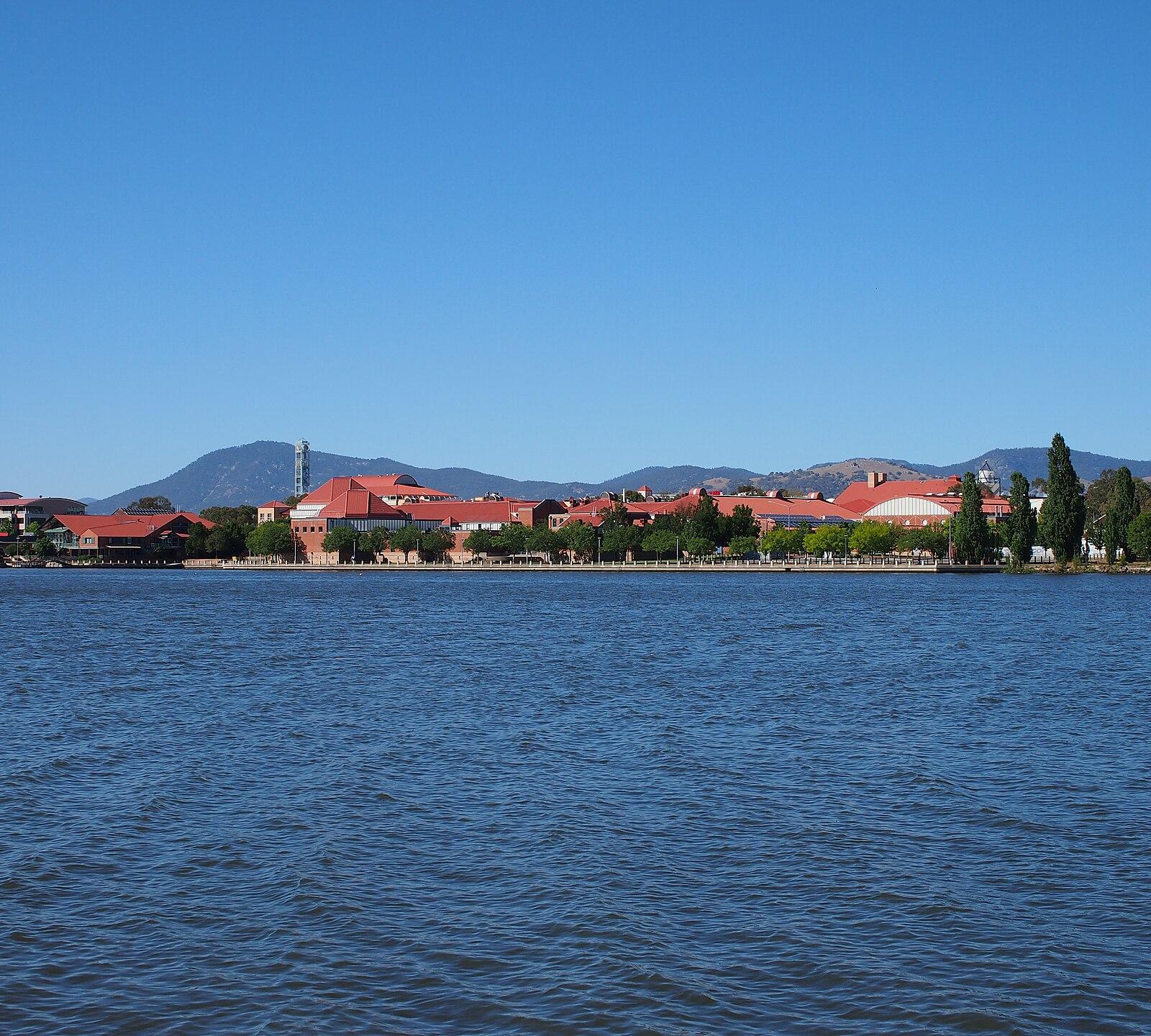
Americans are getting less sleep than at any point in the past two decades, and Seattle, with its tech-heavy workforce, famously cloudy winters, and a culture that quietly rewards being busy, sits near the top of that troubled list. Sleep medicine specialists across the country have documented a steady erosion in both sleep duration and quality since roughly 2020, a trend that shows no signs of reversing.
The timing matters. July 4th weekend may feel like a moment to reset, but for many residents of Ballard, the Central District, and South Lake Union, the holiday just scrambles an already chaotic sleep schedule. Late fireworks, alcohol, irregular meal times, it's a perfect storm for what researchers call social jet lag, where your body clock drifts away from the demands of Monday morning.
Why Seattle Has a Particular Problem
The city's geography doesn't help. Seattle receives an average of only 152 sunny days per year, according to the National Oceanic and Atmospheric Administration. That chronic light deprivation suppresses melatonin production through the autumn and winter months, making it genuinely harder for the brain to signal when it's time to wind down. It's not laziness or poor discipline. It's photobiology.
Add to that the dominance of the tech sector along the South Lake Union corridor and out toward Redmond. Amazon, Microsoft, and dozens of smaller firms have normalized always-on communication, Slack messages at 10 p.m., pre-dawn stand-ups with teams in London or Singapore. A growing body of evidence links irregular work-hours culture to delayed sleep phase disorder, a condition where the internal clock shifts so far that falling asleep before 1 a.m. feels physically impossible.
Then there's the hormone conversation. Physicians and nurse practitioners across the country are fielding more questions about melatonin, cortisol, and the relationship between sleep and hormonal health, driven in part by a surge of public interest in topics like HRT and testosterone optimization. That curiosity is legitimate. Cortisol spikes from chronic stress, financial, professional, or social, directly disrupt the slow-wave sleep that repairs tissue and consolidates memory. For Seattle renters paying a median of around $2,100 a month for a one-bedroom as of mid-2026, financial anxiety is a nightly companion.
What You Can Actually Do About It
The good news is that Seattle has real, accessible infrastructure for people who want to take this seriously.
The UW Medicine Sleep Center on Roosevelt Way NE runs a full diagnostic and treatment program, including cognitive behavioral therapy for insomnia, CBT-I, which clinical research consistently shows outperforms sleeping pills for long-term outcomes. A standard CBT-I course runs six to eight weekly sessions. Referrals typically come through a primary care provider, though the center accepts self-referrals for initial consultations.
For people who aren't ready to go clinical, the Eastlake neighborhood's Northwest Hospital & Medical Center offers community health workshops, and several Ballard-based integrative medicine practices have begun running structured sleep hygiene programs that combine light therapy protocols with evening routine coaching. Light therapy boxes, full-spectrum lamps used for 20 to 30 minutes each morning, are available at REI's flagship store on Yale Avenue N for between $50 and $150, and are particularly useful from October through March.
The behavioral basics remain stubbornly effective despite being unglamorous. Keeping wake time consistent seven days a week, even after a short night, is the single most powerful tool in resetting the circadian rhythm. Cutting off alcohol three hours before bed, rather than using it as a wind-down aid, meaningfully improves sleep architecture. And despite Seattle's coffee identity, caffeine consumed after 2 p.m. has a measurable impact on sleep onset for most adults, given its six-hour half-life in the body.
If you slept poorly through this holiday weekend, that's recoverable. Chronic poor sleep, month after month of fragmented nights and groggy mornings, carries documented risks for cardiovascular health, metabolic function, and mood. A conversation with a provider at Group Health on Capitol Hill or a UW Medicine primary care clinic is a reasonable starting point. Sleep is not a luxury. It's the base layer everything else runs on.
The Daily Seattle recommends consulting a local medical professional before making changes to your sleep or health routine.