Wellness
Mindfulness in Schools: What Local Programs Are Available
Seattle classrooms are quietly building a generation of calmer, more focused students — here's what's actually happening on the ground.
4 min read
Updated 5 h ago
Wellness
Seattle classrooms are quietly building a generation of calmer, more focused students — here's what's actually happening on the ground.
4 min read
Updated 5 h ago
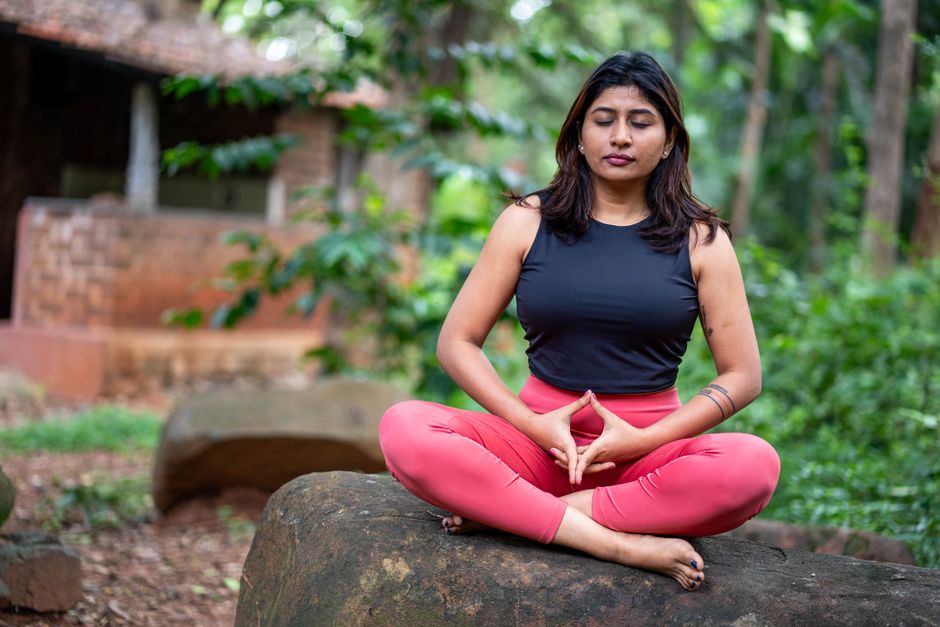
Seattle Public Schools rolled out structured mindfulness programming across more than 60 district campuses during the 2025–26 academic year, making the city one of the more aggressive adopters of in-school meditation in the country. The programs range from five-minute breathing exercises tacked onto morning announcements to full semester electives where students log 30 hours of contemplative practice.
The timing is deliberate. Youth mental health data from King County's 2025 Community Health Needs Assessment showed that roughly 38 percent of middle and high school students reported persistent feelings of sadness or hopelessness over a two-week period — a figure that has barely budged since 2022 despite increased counselor hiring. District administrators began treating mindfulness not as a feel-good add-on but as a measurable intervention.
The most established program operating in Seattle schools is Mindful Schools, a California-based nonprofit that has been placing trained instructors inside Seattle classrooms since 2019. The organization runs an eight-week curriculum called Mindful Foundations, currently active at Garfield High School on 23rd Avenue and at Eckstein Middle School in the Bryant neighborhood. Sessions run 15 minutes, three times a week, and focus on breath awareness, body scanning, and stress-response education for adolescents.
Closer to Capitol Hill, the nonprofit Sound Generations has partnered with Seattle's Intergenerational Learning Center model to test a pilot program pairing elementary students at Lowell Elementary with older adult volunteers trained in mindfulness facilitation. The pilot, which launched in January 2026, serves about 140 students across three grade levels. Coordinators track attention span data and self-reported mood using a weekly check-in tool developed by the University of Washington's Department of Psychiatry.
The UW itself is deeply embedded in this work. The university's Center for Child and Family Well-Being, based on the main Seattle campus near Portage Bay, has been running teacher training workshops since 2021. More than 280 Seattle-area educators completed the center's 12-hour Mindful Teaching certification between September 2024 and June 2025. The idea is to equip classroom teachers to lead short daily practices without requiring a dedicated external instructor — which keeps costs down and keeps the practice consistent even when budgets tighten.
Cost is a real variable. A full Mindful Schools residency at a single school runs approximately $8,500 per academic year when an external instructor is involved. Several schools in the Rainier Beach and White Center areas have relied on Seattle's Student Mental Health Initiative grant pool — funded through the Washington State Office of the Superintendent of Public Instruction — to cover those fees. The 2025–26 grant cycle made $2.3 million available statewide, with King County schools capturing about a third of that funding.
Private schools have moved faster with fewer budget constraints. The Bush School in Madison Valley added a dedicated mindfulness period to its middle school schedule in fall 2024, running daily 10-minute sessions. Lakeside School near Green Lake integrated a mindfulness module into its existing health curriculum the same semester. Neither school disclosed per-student program costs, but administrators at similar institutions nationally have cited figures in the $200–$400 per student range annually.
For families curious about what their own school offers, the Seattle Public Schools student wellness page lists current programming by campus. Parents can also contact the district's Office of Student Support Services directly — it coordinates external partnerships and can flag which schools have active waitlists for programs like Mindful Foundations. If a school isn't yet enrolled in a formal program, the UW Center for Child and Family Well-Being publishes a free 10-week at-home guide designed to complement whatever happens, or doesn't happen, in the classroom. As always, families with children experiencing acute anxiety or mood concerns should connect with a licensed mental health provider rather than relying on school programming alone.
Wellness

Wellness

Wellness
Wellness
About this article
Published by The Daily Seattle
Spread the word
Daily brief
Free, in your inbox before 7am. Weekdays.
The Daily Network — local news across Australia