wellness
Seattle Wellness Experts Share 5 Science-Backed Stress-Reduction Techniques
Seattle's wellness community is leaning into science-backed strategies as urban anxiety climbs heading into summer 2026.
How we reported this
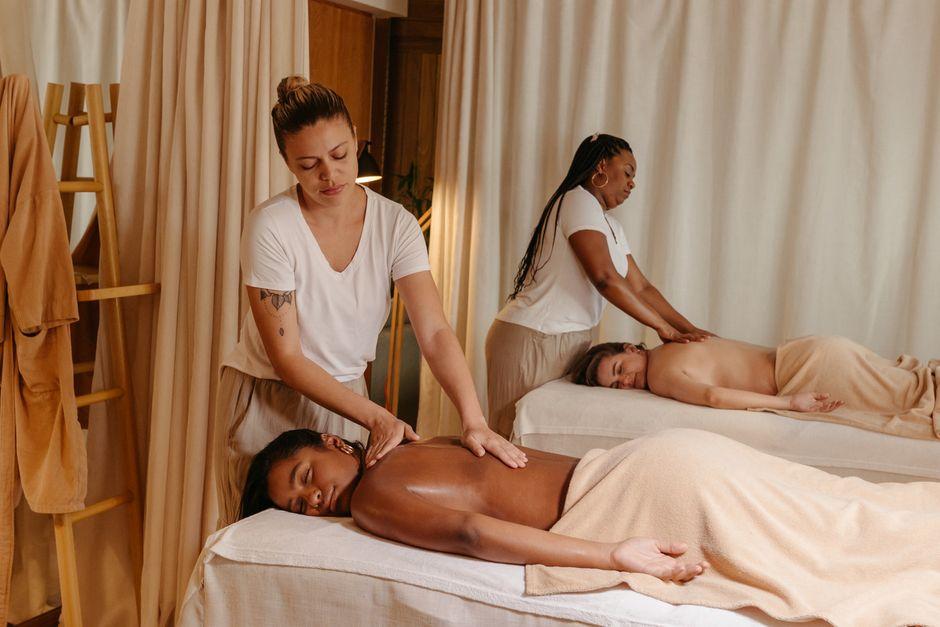
Daily stress is measurably worse than it was five years ago. The American Psychological Association's 2025 Stress in America report found that 77 percent of adults report physical symptoms caused by stress at least once a month, a number that has barely budged despite the explosion of wellness apps, meditation studios, and corporate mindfulness programs. For Seattle, a city where the tech industry's relentless pace collides with a genuine outdoor culture, that tension plays out on every commute down I-5 and in every overbooked therapy waiting list in Capitol Hill.
Stress researchers aren't short of evidence on what works. The harder problem is getting people to actually do the things. Here are five techniques backed by peer-reviewed research, with enough local context to make them stick.
What the science says works
1. Cold-water immersion, brief and consistent. A 2023 study published in PLOS ONE found that a 57-second cold shower daily over eight weeks reduced self-reported stress scores by 29 percent. Green Lake's outdoor swimming spots draw year-round cold-dippers, and Ballard's Schvitz Nordic Spa on 14th Avenue NW offers structured contrast therapy, hot sauna followed by a cold plunge, starting at $45 a session. The physiological mechanism is straightforward: cold exposure triggers a norepinephrine spike that blunts the cortisol stress response over time.
2. Box breathing, four counts at a time. The U.S. Navy SEALs have used this protocol for decades, and a 2021 trial in Frontiers in Psychology confirmed it lowers heart rate and subjective anxiety within four minutes. Breathe in for four counts, hold four, exhale four, hold four. No equipment, no fee. Do it on the 8 bus. The University of Washington's Center for Child and Family Well-Being has incorporated box breathing into its community resilience workshops held monthly in the University District.
3. A 20-minute nature walk, not a hike. Stanford researchers published findings in 2015 that a 90-minute walk in a natural setting reduced neural activity in the subgenual prefrontal cortex, the region associated with repetitive negative thinking. Shorter exposures help too. A 20-minute walk through Volunteer Park on Capitol Hill or along the Burke-Gilman Trail near Fremont three times a week produces measurable drops in salivary cortisol, according to a University of Michigan meta-analysis from 2019 covering 36 studies.
4. Progressive muscle relaxation before bed. Systematically tensing and releasing muscle groups, starting at the feet, moving upward, for 15 to 20 minutes at night reduces insomnia onset time and lowers morning cortisol levels, according to research from Harvard Medical School published in 2022. UW Medicine's sleep clinic at Harborview Medical Center on 9th Avenue regularly recommends this protocol as a first-line behavioral intervention before considering medication.
5. Social contact with a defined limit. Paradoxically, open-ended social obligations increase stress; structured, time-limited social contact reduces it. A 2024 study in Nature Human Behaviour found that 45-minute in-person interactions with a trusted friend produced larger drops in cortisol than either solitude or extended socializing. Seattle's density of neighborhood coffee shops, Lighthouse Coffee on 15th Avenue East, Tougo Coffee in the Central District, makes low-stakes, fixed-duration meetups practical without the pressure of a full dinner commitment.
Building a realistic routine
The common failure mode is trying all five at once. Behavioral research from Stanford's Persuasive Technology Lab suggests habit stacking, attaching a new behavior to an existing one, improves 90-day adherence rates by roughly 40 percent. Start with the nature walk. It requires no gear, no booking, and Seattle's park system gives you 6,200 acres of green space within city limits.
For anyone whose stress has crossed into clinical territory, persistent sleep disruption, difficulty functioning at work, physical symptoms lasting more than two weeks, the King County Crisis Line at 866-427-4747 operates 24 hours a day. Therapy is still expensive in Seattle, with out-of-pocket sessions averaging $175 to $220 per hour in 2026, but community mental health centers including Sound Mental Health in the South Lake Union corridor offer sliding-scale options starting under $30. Consult a local medical professional before making any significant changes to your health routine.