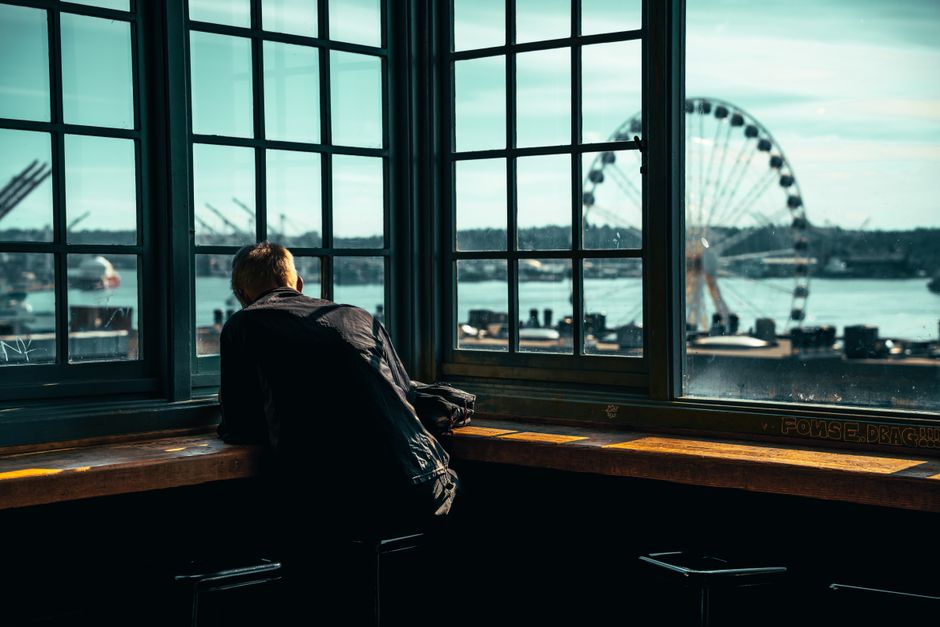
Seattle gets about 17 hours of daylight on the summer solstice. That number drops through July, but not fast enough for anyone trying to fall asleep before 10 p.m. with the western sky still pale orange. Sleep specialists and sleep-focused retailers across the city are seeing a mid-summer surge in customers asking the same basic question: what is wrong with my bedroom?
The question matters more than it might sound. The CDC estimates that roughly one in three American adults regularly falls short of the recommended seven hours of sleep per night — a figure that carries documented links to cardiovascular disease, metabolic disorders and impaired cognition. For a city that prides itself on an active, outdoors-oriented lifestyle, chronic sleep debt quietly undercuts everything from morning trail runs on the Burke-Gilman to afternoon focus in South Lake Union offices. Hormonal health researchers have also drawn sharper lines in recent years between sleep quality and the regulation of cortisol and melatonin, two chemicals that shape mood, energy and long-term health in ways Seattle's wellness community is paying closer attention to in 2026.
Start With Light, Temperature and Sound
The checklist begins with light. Standard blackout curtains block roughly 99 percent of external light when properly installed — meaning the panels overlap the window frame by at least two inches on each side. Stores like Bed Bath & Beyond's remaining Capitol Hill location and the IKEA in Renton stock blackout options starting around $29 per panel, though sleep-focused shops like Flo Mattress on Eastlake Avenue North carry heavier, purpose-built versions closer to $80. The investment is not trivial, but researchers at the University of Washington's Department of Medicine have long flagged light exposure after sunset as one of the most disruptive variables in urban sleep environments.
Temperature is the second lever. The body needs its core temperature to drop roughly one to two degrees Fahrenheit to initiate and maintain deep sleep. The optimal bedroom range is 65 to 68 degrees Fahrenheit. Seattle's maritime summers rarely push overnight lows above 62 or 63 degrees, which sounds helpful — but top-floor apartments in dense neighborhoods like Belltown or First Hill retain heat from the day and can sit at 74 or 75 degrees well past midnight. A box fan positioned to draw cool air through a north-facing window costs about $35 at the Target on Rainier Avenue South and solves the problem more reliably than air conditioning for most of the summer.
Sound is the variable people underestimate most. The Fremont and Ballard corridors have seen enough new bar and restaurant openings since 2023 that weekend ambient noise levels can spike past 55 decibels after 11 p.m. — roughly equivalent to a normal conversation happening outside your window. Foam earplugs reduce noise exposure by 30 to 33 decibels on average. White noise machines, widely stocked at pharmacies including the Bartell Drugs locations on Broadway and on 15th Avenue Northeast in the University District, run between $25 and $60 and mask irregular noise spikes more effectively than steady background sound alone.
The Details That Actually Move the Needle
Screens deserve a separate line on the checklist, and not just because of blue light. The habit of scrolling — news, social media, anything emotionally activating — elevates cortisol and delays sleep onset by an average of 47 minutes according to a 2024 study published in the journal Sleep Medicine Reviews. Charging phones in a room other than the bedroom remains the single highest-impact behavioral change most sleep researchers recommend. It costs nothing.
Bedding weight and material matter more in Seattle than in drier climates. The region's humidity, which averages 73 percent in July, makes synthetic fills trap heat faster than natural alternatives. Wool or moisture-wicking cotton bedding helps. Local specialty shop Hardwick's on Roosevelt Way Northeast stocks organic cotton options, and the Sunday farmers market at the University District Farmers Market occasionally features local textile vendors with similar products.
Run through the checklist in order: blackout coverage, room temperature at or below 68 degrees, noise mitigation, screens out of the room, and breathable bedding. None of these steps requires a significant budget or a specialist consultation. For anything more persistent — chronic insomnia, suspected sleep apnea or significant daytime fatigue — a conversation with a primary care provider or a referral to the UW Medicine sleep clinic on Sand Point Way Northeast is the appropriate next move.