wellness
Seattle's Dog-Friendly Parks Are Becoming the City's Most Unexpected Fitness Hubs
From Magnuson to Westcrest, Seattleites are turning leash-on trail runs and off-leash socializing into a full-blown community fitness movement.
How we reported this
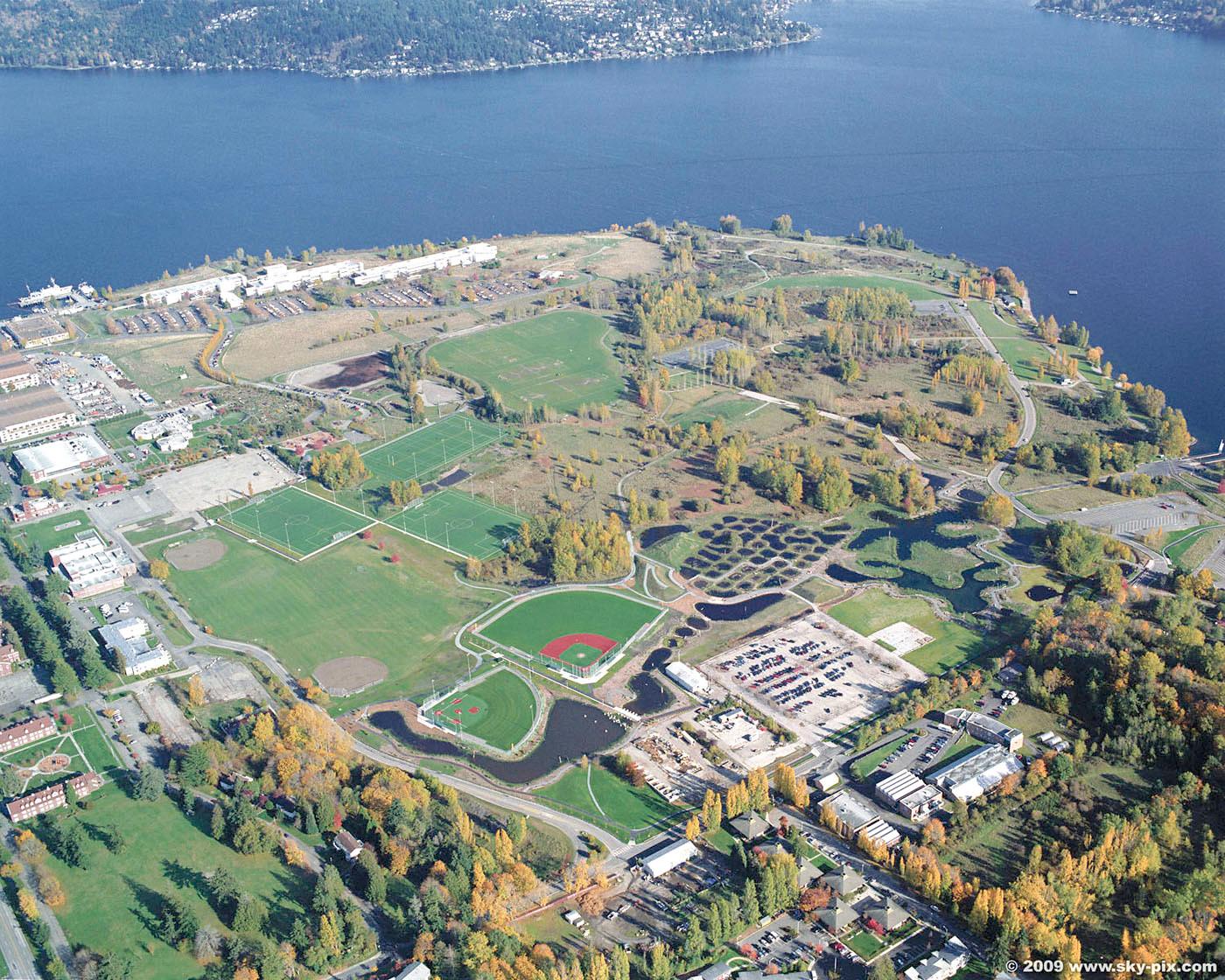
The numbers at Seattle's off-leash areas have climbed steadily since 2023, and this summer the trend has a new shape: people aren't just walking their dogs anymore. They're showing up at dawn with resistance bands, tracking their miles on Garmin watches, and sticking around long enough to swap training tips with strangers whose golden retrievers have already become fast friends. Dog parks, it turns out, are functioning as de facto community fitness centers, free, open daily, and almost always populated by regulars who know each other by first name.
The timing matters. Seattle Parks and Recreation completed a $4.2 million trail resurfacing project across four major off-leash areas in late 2025, part of the department's Green Seattle Partnership commitments. That investment made longer loops more accessible, and fitness-minded dog owners noticed immediately. Add to that a post-pandemic cultural hangover that still has many Seattleites preferring outdoor socializing over gym memberships, and the conditions for this particular fitness culture were basically set in advance.
The Parks Leading the Movement
Warren G. Magnuson Park on Sand Point Way NE is the obvious anchor. Its 9-acre off-leash area, one of the largest in the city, sits alongside a paved multi-use trail that loops the park's 350 acres. On a typical Tuesday morning, the off-leash section fills by 7 a.m. with owners who have organized informal run groups that meet three times a week. The route they favor cuts south along the waterfront toward the boat launch and back, roughly 3.4 miles round trip. No registration required, no fee, no instructor, just a shared Google Calendar link that circulates through neighborhood Facebook groups.
Westcrest Park in West Seattle draws a different crowd but the same instinct. The 81-acre park's off-leash area sits at the top of a steep hill off 8th Avenue SW, which means anyone walking there from the Delridge neighborhood has already banked a serious incline before the dogs even start running. A loose coalition of regulars there has been doing what they call "hill intervals", essentially using the park's natural terrain as a stairmaster, for the better part of 18 months. Seattle Parks staff confirmed in a June 2026 community update that Westcrest logged its highest-ever monthly visitor count in May, exceeding 11,000 documented entries.
The social dimension is not incidental. Research published by the American Journal of Preventive Medicine found that dog owners are 34 percent more likely to meet the CDC's recommended 150 minutes of weekly moderate exercise than non-dog owners. What the data doesn't fully capture is the accountability loop: when your neighbor's husky is waiting at the gate at 6:45 a.m., canceling feels genuinely rude. That social pressure, soft, friendly, fur-adjacent, turns out to be a more durable motivator than most paid fitness apps.
What to Know Before You Go
Seattle's off-leash areas are free to use, though King County dog licenses are required by law, a basic license runs $30 annually for spayed or neutered dogs, $50 for intact animals. The city operates 15 designated off-leash areas total, and Seattle Parks maintains a current map on its website. Hours are generally 4 a.m. to 11:30 p.m. year-round, though some smaller sites have tighter restrictions.
For anyone looking to tap into the fitness community side of things, the I Love Dog Parks Seattle Facebook group, roughly 6,800 members as of this week, is the most active clearinghouse for informal meetups, group run schedules, and the occasional organized charity walk. The Magnuson Park run group is welcoming newcomers through the summer; the Westcrest hill crew tends to be smaller and more self-selecting, but regulars say first-timers are always waved in.
A reminder that specific fitness or health concerns are best discussed with a local sports medicine practitioner or primary care provider, Seattle has no shortage of either. But for the baseline prescription of getting outside, moving, and talking to humans? The dogs have already figured that part out.