Three minutes. That's roughly how long a focused breathing technique takes to measurably lower your heart rate and pull your nervous system out of fight-or-flight mode. In a city where the average tech worker logs 47-hour weeks and Eastside commutes regularly stretch past 90 minutes each way, that's a three-minute investment a lot of people are starting to take seriously.
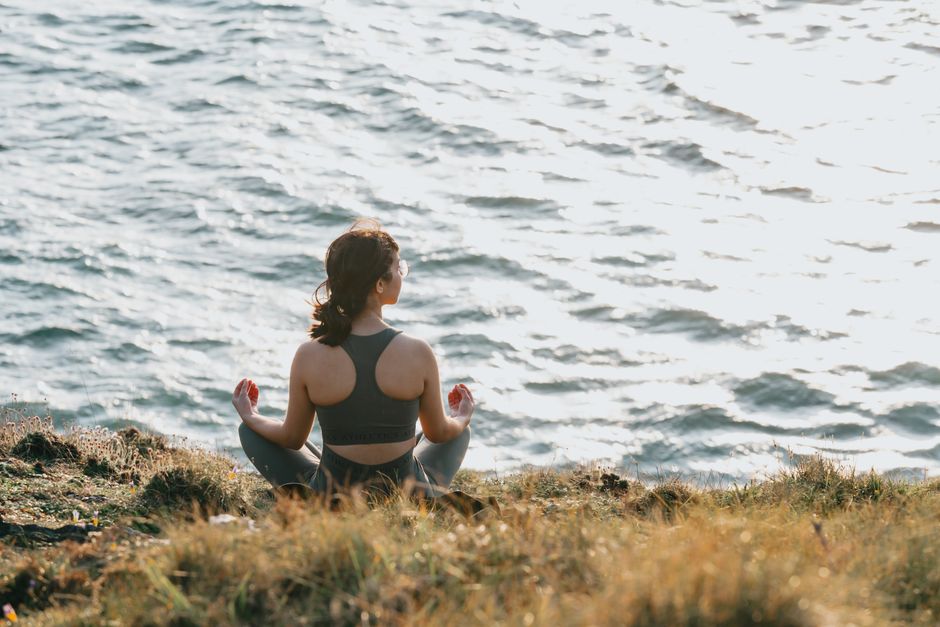
Breathwork — structured, intentional control of the breath for physiological effect — has quietly moved from yoga studios into corporate break rooms, hospital waiting areas, and the grassy margins of Volunteer Park. The interest is real and growing. Google Trends data shows searches for "breathing exercises for anxiety" have risen roughly 60 percent globally since 2021, with Pacific Northwest queries tracking above the national average. Researchers at the University of Washington's Department of Psychiatry have been examining how brief mindfulness interventions, including breath-focused ones, can reduce cortisol spikes tied to workplace stress.
What the Techniques Actually Are
The most widely taught method right now is called physiological sighing — a double inhale through the nose followed by a long, slow exhale through the mouth. Stanford neuroscientists published findings on this technique in early 2023 in Cell Reports Medicine, showing it outperformed other relaxation methods, including meditation and box breathing, for reducing anxiety in real time. The mechanism is straightforward: the extended exhale activates the parasympathetic nervous system, the biological brake pedal, faster than almost any other voluntary action available to you.
Box breathing — four counts in, four counts hold, four counts out, four counts hold — remains the technique most Seattle-area instructors teach first. It's the entry point at Breathe Seattle, a Capitol Hill studio on 15th Avenue East that runs drop-in sessions for $18 and a four-week foundations course for $120. Instructor programming there has shifted in 2026 toward shorter, office-compatible formats after client feedback showed people wanted tools they could use at their desks rather than during dedicated 60-minute classes.
Further north, the Seattle Mindfulness Center in the University District, which has operated since 2009, offers an eight-week Mindfulness-Based Stress Reduction program — the gold-standard clinical curriculum developed at the University of Massachusetts — that embeds breathwork throughout its sessions. The current cycle, which started in June 2026, costs $495 for the full course, with sliding-scale spots available. Staff there say demand for their Thursday evening sessions has pushed waitlist numbers to the highest they've seen since the center opened its second room in 2019.
Making It Work Between Meetings
The practical challenge is integration. Most people don't fail to find breathwork useful — they fail to remember to use it when they need it most, which is usually mid-afternoon after the fourth consecutive video call.
Wellness researchers refer to this as "implementation intention" — the gap between knowing a coping tool and actually deploying it under stress. The fix, according to behavioral health frameworks used in programs like King County's Crisis Connections stress management curriculum, is attaching breathwork to an existing daily habit. Put it before your first cup of coffee. Do two minutes of box breathing every time you open Outlook. Set a 2 p.m. phone alarm and label it something useful.
For people who want to build a more consistent practice, the Burke Gilman Trail and the waterfront stretch along Myrtle Edwards Park on the Elliott Bay shoreline are both used by regular morning groups who combine walking and breath-pacing — a technique sometimes called coherent breathing, targeting six breath cycles per minute. No studio required, no fee, just 20 minutes outdoors before the workday starts.
A simple starting point for anyone new to this: try five repetitions of physiological sighing the next time you feel your jaw tighten in a meeting. Double inhale, long slow exhale. Then assess. Consulting a physician or licensed therapist is always the right move if stress is significantly affecting sleep, appetite, or function — Seattle's network of community mental health clinics, including NeighborCare Health with locations in Rainier Valley and Northgate, can connect residents with providers who integrate these techniques into broader treatment plans. The breath is free. Using it well takes about three minutes to learn.