Wellness
Seattleites Are Sleeping Worse Than Ever. Here's Why — and What Actually Helps
From Capitol Hill to Ballard, residents are reporting shorter, more fragmented nights, and the reasons run deeper than too much screen time.
4 min read
Wellness
From Capitol Hill to Ballard, residents are reporting shorter, more fragmented nights, and the reasons run deeper than too much screen time.
4 min read

Adults in the Seattle metro area are averaging just under six and a half hours of sleep per night, according to 2025 data from the Centers for Disease Control and Prevention — nearly an hour short of the seven-to-nine hours the American Academy of Sleep Medicine recommends for adults. That gap is not a curiosity. Chronic sleep deprivation is linked to elevated risk of cardiovascular disease, type 2 diabetes, depression, and impaired immune function.
The timing matters. Pacific Northwest summers throw a particular wrench into the body's circadian rhythm. Seattle sits at 47 degrees north latitude, which means daylight on July 3 stretches from roughly 5:20 a.m. to 9:10 p.m. — nearly sixteen hours of light that suppresses melatonin production long past dinner. Couple that with the region's increasingly warm summer nights, economic anxiety tied to a cooling housing market, and the relentless ping of work notifications, and you have a reliable recipe for lying awake at midnight staring at the ceiling.
Local sleep specialists at the UW Medicine Sleep Center on Roosevelt Way NE have reported a steady uptick in consultations since early 2025, particularly among people aged 28 to 45. The complaints are consistent: trouble falling asleep, waking at 3 a.m., and a persistent sense of unrefreshing rest even after a full night in bed. The Swedish Health Services sleep clinic in First Hill has similarly expanded its intake appointments by roughly 30 percent over the past eighteen months to meet demand.
Light is the biggest lever most people ignore. Blackout curtains — available at stores like Bed Bath & Beyond on Aurora Avenue North or through local home goods shops in the Fremont neighborhood — make a measurable difference during Seattle summers. Research published in the journal Sleep in March 2025 found that sleeping in a fully darkened room reduced nighttime awakenings by 22 percent compared to a room with ambient light exposure. That is not a trivial number.
Temperature is the second culprit. Seattle homes built before 1980 — and there are a lot of them, especially in neighborhoods like Wallingford and the Central District — rarely have central air conditioning. When overnight lows stay above 65 degrees Fahrenheit, as they did on more than a dozen nights last July, sleep architecture shifts. The body needs to drop its core temperature by about one to two degrees Fahrenheit to initiate deep sleep. A box fan pointed outward in the window to pull hot air out, rather than push cool air in, is a low-cost fix that sleep researchers at the University of Washington have publicly endorsed.
Hormones are a complicating factor that more clinicians are taking seriously. Fluctuating estrogen and testosterone levels — a topic drawing significant attention in wellness circles this summer — can fragment sleep independently of stress or light exposure. Anyone experiencing persistent disruption despite good sleep hygiene habits should get bloodwork done rather than assume the problem is behavioral. Harborview Medical Center's general medicine clinics on Jefferson Street offer sliding-scale appointments for patients without comprehensive insurance coverage.
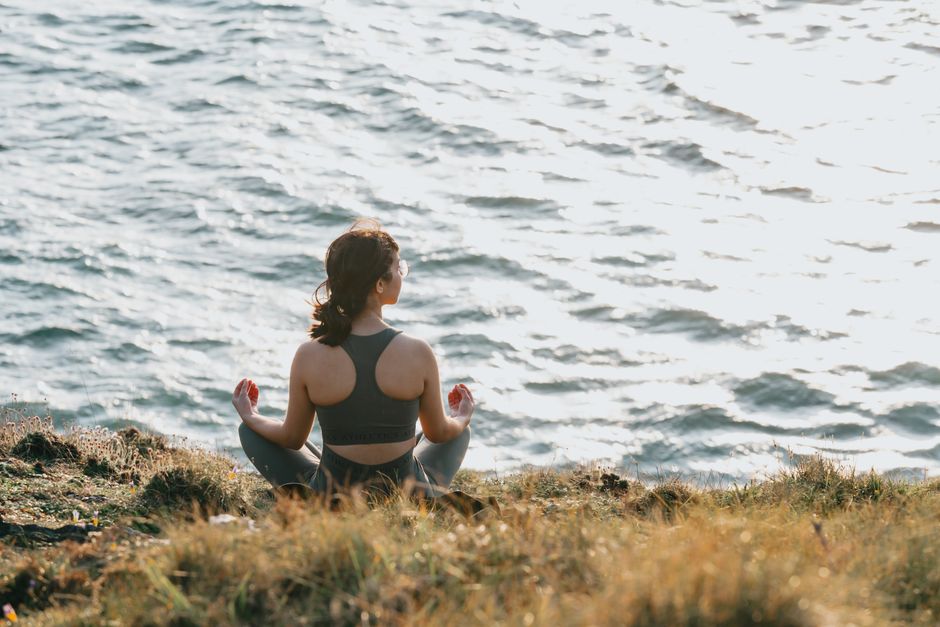
The Seattle Parks and Recreation department runs free outdoor morning yoga sessions at Cal Anderson Park on Capitol Hill through August 30, and morning exercise — specifically before 10 a.m. — has been shown in multiple trials to advance the circadian phase, meaning the body starts producing melatonin earlier in the evening. The classes run Tuesday and Thursday at 7:30 a.m.
Caffeine cut-off times matter more than most people realize. The half-life of caffeine is approximately five to seven hours, which means a 3 p.m. Americano from Victrola Coffee on 15th Avenue East is still half-present in your bloodstream at 10 p.m. Moving that last cup to before noon is one of the highest-return behavioral changes sleep medicine clinicians recommend.
Low-dose melatonin — 0.5 milligrams rather than the 5 or 10 milligram doses common on pharmacy shelves — taken ninety minutes before bed has solid evidence behind it for circadian shifting, not as a sedative. Local pharmacist consultations at PCC Community Markets in Green Lake can help residents sort out dosing without a full clinic visit. For anything beyond basic sleep hygiene, a referral to UW Medicine or Swedish is worth pursuing before reaching for heavier interventions.
Wellness
Wellness

Wellness

Wellness
About this article
Published by The Daily Seattle
Spread the word
Daily brief
Free, in your inbox before 7am. Weekdays.
The Daily Network — local news across Australia