Wellness
Gut Health 101: Fermented Foods You Can Find Locally
From Capitol Hill kimchi shops to Pike Place kombucha vendors, Seattle's fermented food scene has quietly become one of the most accessible in the country.
4 min read
Wellness
From Capitol Hill kimchi shops to Pike Place kombucha vendors, Seattle's fermented food scene has quietly become one of the most accessible in the country.
4 min read
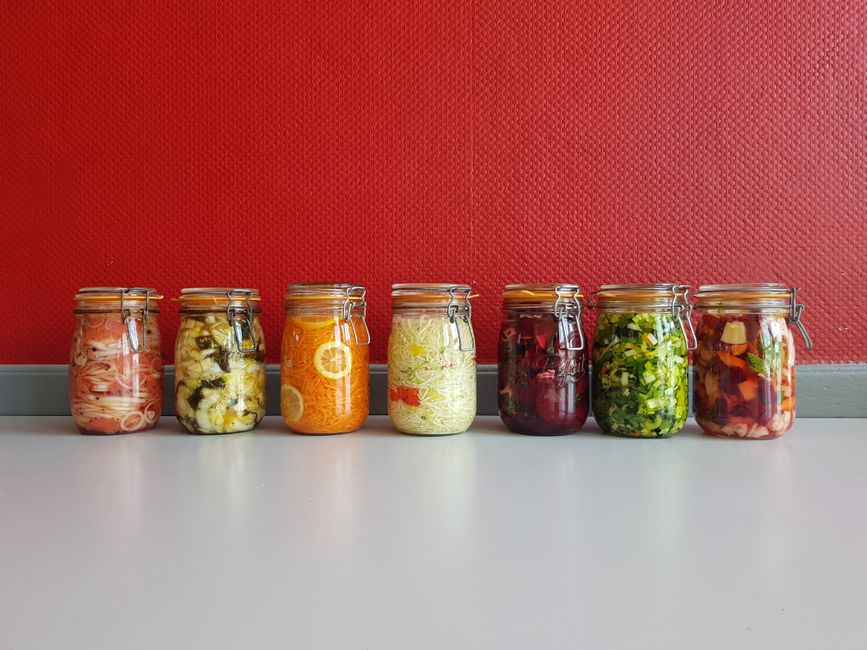
Seattle grocery shelves are stocking more fermented products than ever, and the city's independent food producers are struggling to keep up with demand. Sales of probiotic-rich foods — kimchi, kefir, miso, tempeh, and live-culture kombucha — have climbed steadily at local retailers since early 2025, according to purchasing data tracked by PCC Community Markets, the Seattle-based co-op with 15 locations across the region.
The timing matters. Gut microbiome research has accelerated dramatically over the past three years, with a landmark 2021 Stanford University study — still widely cited by dietitians — finding that a diet high in fermented foods increased microbiome diversity and reduced markers of inflammation in adults over just 10 weeks. That research has filtered into mainstream awareness slowly, but it's arrived. Seattle's registered dietitians report more clients asking specifically about fermentation than at any point in the past decade.
The city's Korean community on Beacon Hill offers some of the most legitimate entry points. Lam's Seafood Market on Rainier Avenue South stocks at least six varieties of house-made kimchi, including baechu (napa cabbage) and kkakdugi (cubed radish), typically priced between $6 and $9 per quart. Both are lacto-fermented — meaning they rely on naturally occurring Lactobacillus bacteria rather than vinegar — which is what gut health advocates say you actually want.
On Capitol Hill, Chophouse Row at 1424 11th Avenue houses Kimchi Bistro, which also sells packaged kimchi by the jar for home use. A few blocks north, Madison Valley's Trader Joe's stocks a rotating fermented section that regularly includes miso paste for under $4, making it one of the cheapest entry points for anyone new to the category. Miso is versatile: dissolve a tablespoon into warm (not boiling) water to preserve the live cultures, and you have a functional probiotic broth in under two minutes.
Kombucha is arguably the category with the deepest local roots. Brew Dr. Kombucha, originally founded in Portland but now distributed widely across the Pacific Northwest, can be found at nearly every QFC and Safeway in the metro area for around $3.99 per 14-ounce bottle. For something more local, Small Batch Organics out of the SoDo neighborhood sells directly at the Capitol Hill Farmers Market on Sundays through October. Their seasonal ginger-lemon variety sold out within two hours at the June 22 market.
Not all fermented products deliver on the gut-health promise. Many commercial pickles — including most sold at standard grocery chains — are brined in vinegar, which kills the live bacteria. The same goes for pasteurized sauerkraut. Refrigerated products with labels that specifically say "live cultures" or "naturally fermented" are the ones worth buying. Shelf-stable versions almost certainly won't help your microbiome.
Kefir deserves a specific mention. The fermented milk drink contains a broader diversity of bacterial strains than most yogurts — sometimes 30 or more distinct cultures compared to the two or three in standard Greek yogurt. Lifeway Kefir, available at PCC locations including the Green Lake store on Aurora Avenue North, runs about $5.49 for a 32-ounce bottle. People with moderate lactose sensitivity often tolerate kefir better than regular milk because the fermentation process breaks down most of the lactose.
Tempeh — fermented whole soybeans pressed into a firm cake — is easy to overlook but nutritionally dense. Bob's Red Mill sells a ready-to-cook version at the University District QFC for around $4. Slice it thin, pan-fry in olive oil, and add it to grain bowls. It has roughly 19 grams of protein per 100-gram serving, more than most chicken cuts, along with the gut benefit of its fermentation process.
For anyone unsure where to begin, PCC Community Markets runs a free nutrition consultation program at several locations, including Fremont and West Seattle. A registered dietitian can help map a fermented food plan to specific health goals. The next available appointments at the Fremont store are scheduled for mid-July. Consulting a local medical professional before making significant dietary changes remains the right call, particularly for anyone managing autoimmune conditions or digestive disorders.

Wellness

Wellness

Wellness

Wellness
About this article
Published by The Daily Seattle
Spread the word
Daily brief
Free, in your inbox before 7am. Weekdays.
The Daily Network — local news across Australia