wellness
Seattle Wellness Experts Share 4-Minute Breathing Techniques That Reset Your Nervous System
Forget the 45-minute meditation class, these fast, evidence-backed breathwork methods can reset your nervous system in under four minutes, wherever you are in the city.
Listen in English · 5 min
How we reported this
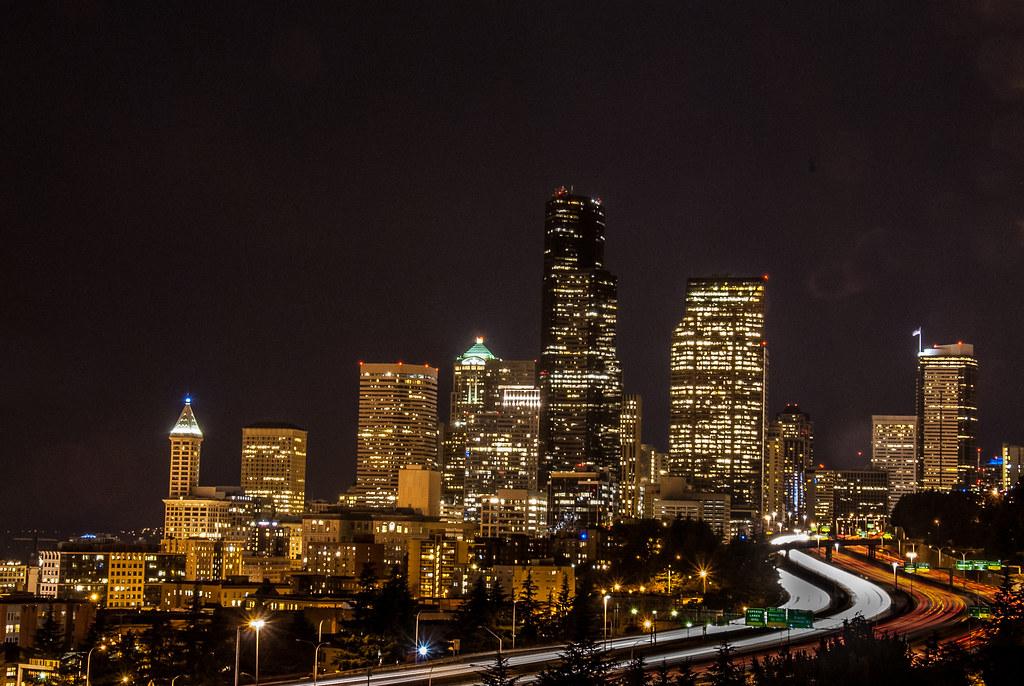
Three deep breaths won't fix your 2 p.m. inbox. But a structured breathing protocol just might. Across Seattle's wellness community, instructors and somatic coaches are shifting their pitch away from lengthy mindfulness sessions toward short, precise breathwork techniques, tools designed to interrupt stress responses in real time, whether you're stuck in traffic on I-5 or staring down a deadline in a South Lake Union open-plan office.
The timing makes sense. Summer in Seattle brings its own particular brand of overwhelm: a compressed work calendar before the July Fourth break, record ferry delays on the Puget Sound routes, and the creeping anxiety that comes when a city collectively pretends everything is fine because the sun finally showed up. Practitioners say demand for quick-intervention techniques has climbed noticeably since early 2026, driven partly by workers returning to hybrid schedules and losing the decompression rituals they built at home.
What the Science Actually Says
The physiological case for breathwork is not new, but it keeps getting sharper. A 2023 Stanford study published in Cell Reports Medicine found that cyclic sighing, one long inhale through the nose, a second short inhale to top off the lungs, then a slow exhale through the mouth, reduced self-reported anxiety and improved mood more effectively than mindfulness meditation over a five-minute period. The mechanism is mechanical: a long exhale slows the heart rate by activating the vagus nerve, pulling the parasympathetic nervous system into gear.
Box breathing, the four-count method, inhale four seconds, hold four, exhale four, hold four, has been used in U.S. Navy SEAL training for decades and has a growing body of peer-reviewed support for acute stress reduction. A 2022 review in Frontiers in Psychology covering 40 controlled studies found slow-paced breathing interventions consistently lowered cortisol markers within five minutes. Five minutes. That's shorter than most coffee runs on Capitol Hill.
Prices for formal breathwork classes in Seattle range from $18 drop-ins at community yoga studios to $75 per session for private somatic coaching in Eastlake and the Central District. But instructors are clear that the techniques themselves cost nothing once learned.
Where Seattle Is Actually Teaching This
Breathe Seattle, based in the Fremont neighborhood, has run a dedicated breathwork program since 2021 and added a Thursday lunchtime "Reset" session in January 2026, specifically marketed at tech workers who can walk over from nearby offices. The 30-minute class focuses exclusively on functional techniques, cyclic sighing, 4-7-8 breathing, and what practitioners call physiological sighs, rather than extended meditation sequences.
Over in Capitol Hill, the Vera Project and several co-working spaces along Pike and Pine streets have started hosting pop-up wellness sessions that include breathwork segments. The East Cherry corridor in the Central District has seen a cluster of somatic wellness practitioners open practices in the past 18 months, reflecting broader growth in body-based mental health approaches across the city.
The Seattle Mindfulness Center, which operates out of the University District, incorporates breathwork into its eight-week Mindfulness-Based Stress Reduction course, a program that costs $395 and runs on a sliding scale. Staff there have noted that participants who practice the breath techniques daily report faster perceived stress recovery than those who only attend weekly sessions.
For anyone who wants to start today, practitioners recommend the cyclic sigh as the lowest-barrier entry point: two inhales through the nose (the second short and sharp to fully expand the lungs), then one long, slow exhale through the mouth. Repeat four to five times. It takes under 90 seconds and can be done at a desk, in a stairwell, or on the Burke-Gilman Trail between meetings.
The 4-7-8 method, inhale for four counts, hold for seven, exhale for eight, takes slightly longer to learn but is particularly effective before sleep or after a difficult phone call. Apps like Othership and Othership's competitors offer guided audio for structured sessions, though instructors note these work best as training wheels, not permanent dependencies.
The broader point is simpler than the breathing ratios suggest: the tools already exist, they are free, and they work faster than most people assume. Anyone looking to go deeper should check with a local health provider before starting intensive breathwork programs, particularly those involving prolonged breath retention.