Wellness
The Rise of Outdoor Boot Camps: What to Expect
Seattle's parks are filling up with burpees, battle ropes and early-morning drills — here's what's driving the outdoor fitness surge and how to get started.
4 min read
Updated 3 h ago
Wellness
Seattle's parks are filling up with burpees, battle ropes and early-morning drills — here's what's driving the outdoor fitness surge and how to get started.
4 min read
Updated 3 h ago
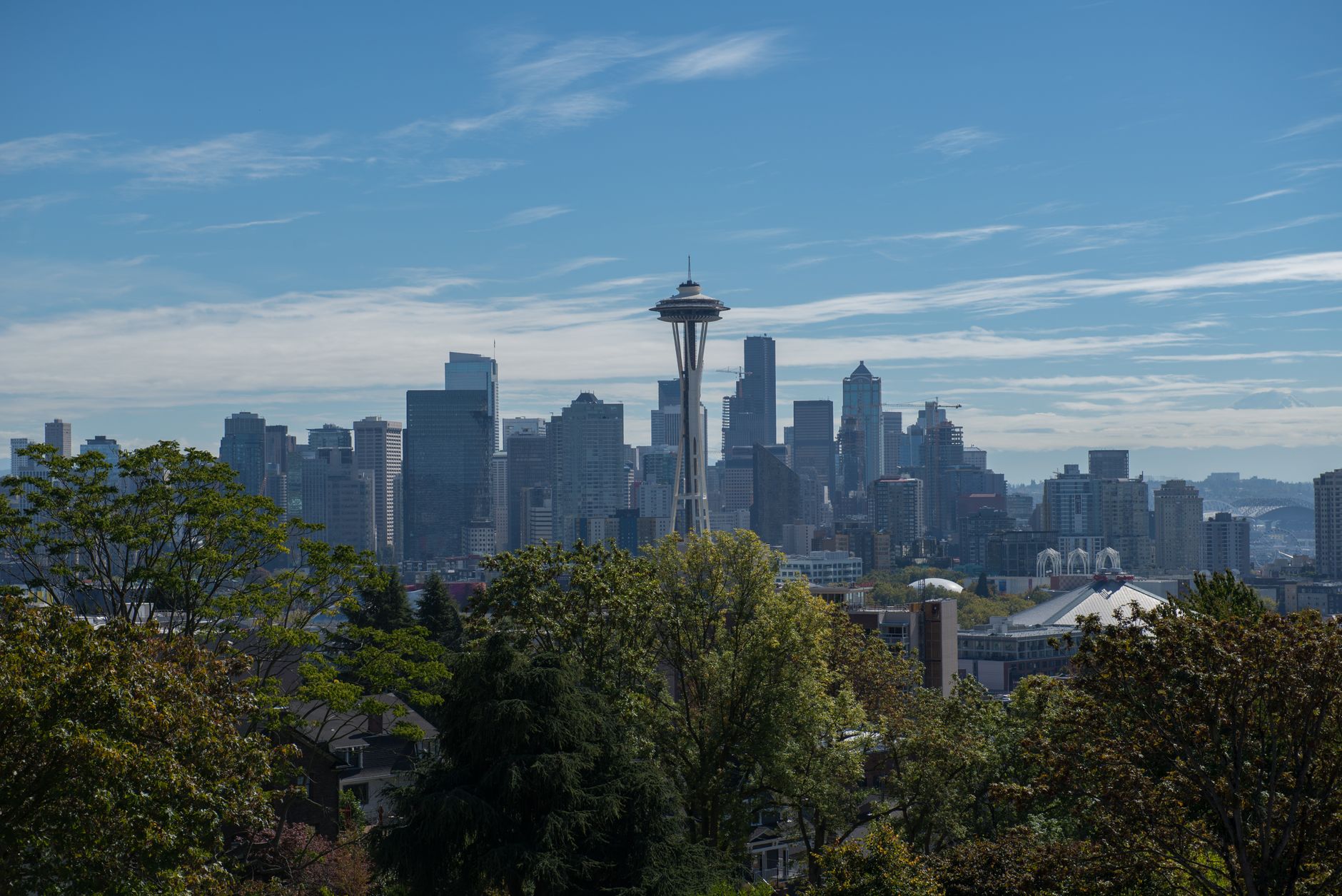
Enrollment in outdoor boot camp programs across Seattle is up roughly 40 percent compared to this time last year, according to figures shared by several independent fitness operators in the city. On any given Tuesday morning at Cal Anderson Park on Capitol Hill, you'll find three or four separate groups — some as large as 25 people — doing synchronized lunges before 7 a.m. The grass hasn't even dried from overnight dew, and the kettlebells are already swinging.
The timing makes sense. After years of gym memberships that felt obligatory and solo running routes that felt lonely, a growing slice of Seattle's fitness community is gravitating toward structured group workouts in open air. Financial pressure is part of the equation — a drop-in boot camp class typically runs $15 to $25, compared to $80 to $120 a month for a standard gym membership at a place like 24 Hour Fitness or a boutique studio on East Pike Street. But the social dimension is the bigger draw. Research published in the journal Psychology of Sport and Exercise in 2024 found that people who exercise in groups report 26 percent higher adherence rates at the six-month mark than solo exercisers. Seattle, a city where social isolation remains a documented civic concern, seems to be taking note.
Two programs have emerged as anchors in this scene. November Project Seattle, the volunteer-led fitness tribe that got its start in Boston and planted a flag in the Pacific Northwest years ago, holds free Wednesday workouts at Gasworks Park in Wallingford and Friday sessions on the steps of Volunteer Park on First Hill. Participants range from competitive runners to people who haven't exercised in a decade. No registration, no fee — just show up by 6:29 a.m. The group currently draws between 80 and 150 people per session depending on the weather, which, even in July, remains unpredictable enough to require a light layer.
On the more structured, paid end, Seattle Parks and Recreation runs its Summer Fitness Series through August 30, offering three weekly boot camp sessions at Magnuson Park along the Lake Washington waterfront. Cost is $12 per class or $75 for a 10-session punch card. The curriculum mixes resistance training with sprint intervals and finishes most sessions with a cooldown yoga sequence overlooking the lake. The department added two new instructors for the 2026 season after the 2025 waitlist reached 200 names.
Private operators are filling gaps wherever the parks allow. Urban Outdoor Fitness, based in the Fremont neighborhood, runs Saturday morning sessions under the Aurora Bridge — a setting that turns a standard squat rack circuit into something genuinely cinematic — and has expanded to a second location near the Alki Beach waterfront in West Seattle as of June 1.
First-timers tend to underestimate two things: the ground and the instructor-to-participant ratio. Outdoor boot camps are not cushioned studio floors. Burpees on packed dirt or uneven grass stress ankles and wrists differently than any gym surface, so footwear matters. Trail running shoes or cross-trainers with lateral support are the standard recommendation from fitness professionals in the city, and most Seattle programs hand new participants a prep sheet before their first session covering exactly this.
Instructor ratios in the larger free programs like November Project can run as high as 1:30 during peak summer weeks, so form correction is limited. Smaller paid programs — Urban Outdoor Fitness caps classes at 18 — offer more individual attention. If you're managing a knee injury or returning from a long exercise hiatus, the smaller format is worth the higher price point.
The weather window in Seattle makes July and August the natural entry point. Sunrise is before 5:30 a.m. through late July, mornings are dry more often than not, and the city's parks are at their most inviting. Seattle Parks and Recreation's Summer Fitness Series has open spots as of this week — registration is available at the department's online portal. For those not ready to commit, November Project's Friday sessions at Volunteer Park remain free and open indefinitely, with the next one scheduled for July 4. You don't need to register. You just need to show up.
Wellness
Wellness

Wellness

Wellness
About this article
Published by The Daily Seattle
Spread the word
Daily brief
Free, in your inbox before 7am. Weekdays.
The Daily Network — local news across Australia