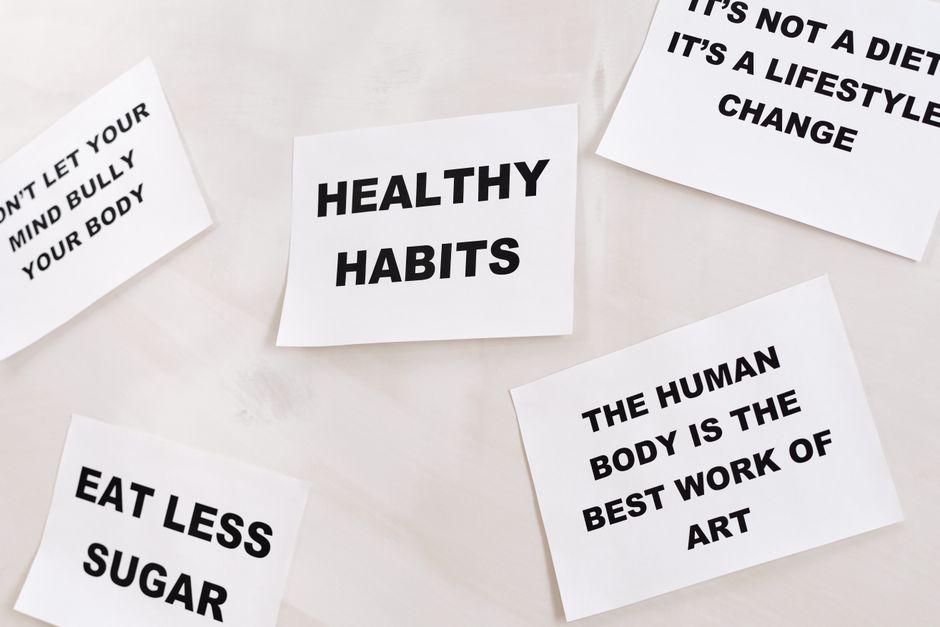
The mental health burden in King County is measurable and growing. According to the Washington State Department of Health's most recent behavioral health report, roughly 1 in 5 King County adults reported symptoms consistent with anxiety or depression in 2025 — a figure that hasn't budged significantly since the post-pandemic spike of 2021. Clinicians and community wellness educators say the answer isn't necessarily more therapy hours or better medication access, though both matter. The answer, increasingly, is smaller.
Micro-habits — deliberate, low-effort daily actions practiced consistently — are earning serious attention from behavioral researchers as tools for building what psychologists call psychological resilience: the capacity to absorb stress without long-term damage to mood, cognition, or relationships. The concept isn't new, but the evidence base behind it has sharpened considerably. A 2023 meta-analysis published in Clinical Psychology Review examined 47 studies involving more than 11,000 participants and found that consistent low-intensity behavioral interventions — things like five-minute journaling, brief outdoor exposure, and structured breathing — produced measurable resilience gains within six to eight weeks.
What This Looks Like on the Ground in Seattle
Seattle's geography does some of the heavy lifting. The Burke-Gilman Trail, which runs 27 miles from Bothell down through the University District and along the Lake Union waterfront, functions as an informal mental health corridor for thousands of commuters and recreational users daily. Neurologists have long noted that even 20 minutes of brisk walking in green or blue spaces measurably lowers cortisol levels. The trail offers both.
But not everyone has the luxury of lacing up mid-afternoon. That's where organizations like Neighborcare Health, which operates 11 community health sites across Seattle including clinics in the Central District and Rainier Valley, have started integrating resilience-building prompts directly into routine primary care appointments. Their behavioral health teams have piloted a structured check-in tool since January 2026 that screens patients not just for symptoms but for daily habit patterns — sleep consistency, social contact, physical movement, and moments of intentional rest. The goal is to catch people before crisis, not after.
The Belltown-based nonprofit Sound Mental Health runs a free drop-in resilience workshop every Thursday at 6 p.m. at their Second Avenue location. The 90-minute session, which drew an average of 34 attendees per week through the first half of 2026, focuses on cognitive reframing techniques and habit stacking — the practice of attaching a new micro-habit to an existing daily routine, such as doing two minutes of diaphragmatic breathing immediately after pouring your morning coffee.
The Evidence Behind the Small Stuff
Habit stacking has decent science behind it. A study from University College London published in the British Journal of General Practice in 2022 tracked 196 adults over 12 weeks and found that participants who anchored new mental health habits to existing routines maintained them at nearly twice the rate of those who tried to schedule them as standalone activities. The sweet spot for habit duration in that study was two to five minutes — short enough to feel non-threatening, long enough to signal intentional behavior to the brain.
Sleep is the foundation that all other micro-habits rest on, and Seattle's tech-heavy workforce is notoriously bad at protecting it. A 2024 survey conducted by the Puget Sound Regional Council found that 38 percent of employed adults in the greater Seattle metro reported sleeping fewer than six hours on workdays. Behavioral health counselors consistently flag sleep restriction as the fastest route to eroded resilience. The fix doesn't require a sleep clinic: keeping a consistent wake time — even on weekends — is cited in nearly every major sleep guideline as the single highest-leverage intervention most people can make for free.
The practical entry point is low. Pick one anchor habit this week — the walk across the Fremont Bridge at lunch, the two-minute breathing exercise before opening your laptop, the phone-free first 20 minutes of morning. Attach it to something you already do. Track it for 14 days. Neighborcare Health's behavioral health line at (206) 461-6907 can connect King County residents with a counselor if independent habit-building isn't cutting through. The Washington Behavioral Health line, available 24 hours at 1-800-756-5498, is a free crisis and consultation resource. Small is the strategy. Consistency is the mechanism. Start today.