The calculus has flipped for a specific slice of Seattle's workforce. Renting a two-bedroom apartment on 15th Avenue East in Capitol Hill runs roughly $2,800 a month in mid-2026. Buying an equivalent unit in the same neighborhood? Expect a purchase price around $875,000, which at current 30-year fixed rates hovering near 6.9 percent translates to a monthly mortgage payment north of $5,500 before property taxes and HOA fees. The gap is no longer marginal — it's the entire argument for rent-vesting.
Rent-vesting is the practice of renting your primary residence in a high-cost urban area while simultaneously purchasing investment property in a more affordable market, letting tenants cover the mortgage. The strategy has circulated in financial planning circles for years, but it's found sharper relevance in Seattle precisely because the ownership premium — the extra cost of buying versus renting the same type of home — has stretched to historic levels. The Seattle Office of Housing's 2025 annual report put median citywide home values at $862,000, a figure that prices out households earning less than roughly $180,000 annually under standard 28-percent debt-to-income lending guidelines.
Why Tacoma and the Eastside Are Changing the Math
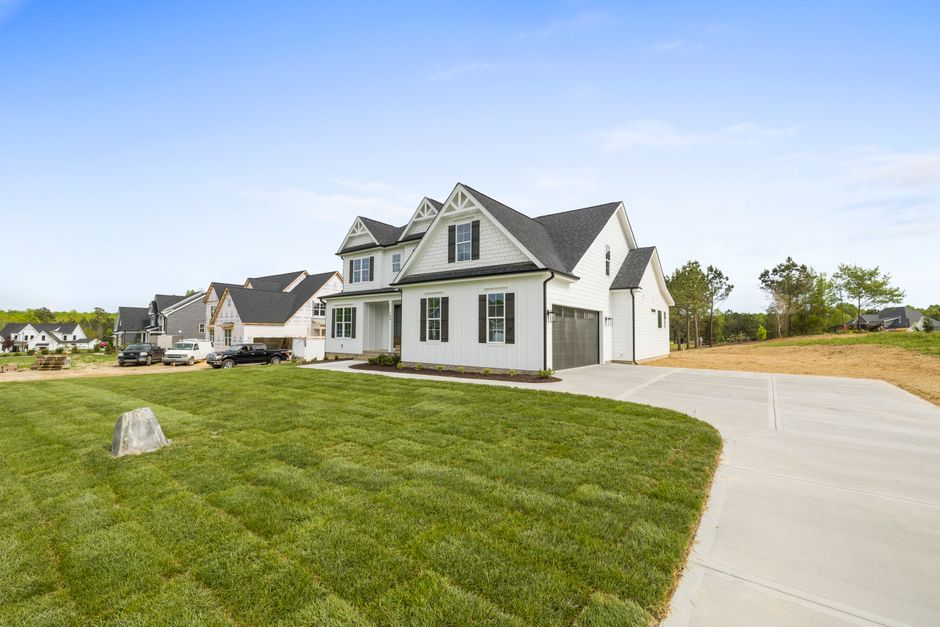
The rent-vesting playbook, as it's being executed in the Puget Sound region right now, usually runs along one of two corridors. The first: rent in Seattle proper — Fremont, the Central District, South Lake Union — and buy a single-family rental in Tacoma, where the median sale price in Pierce County sat at $489,000 as of May 2026, according to data compiled by the Northwest Multiple Listing Service. A three-bedroom house in Tacoma's Hilltop neighborhood bought at that price, with 20 percent down and rented for $2,100 a month, can generate a slight positive cash flow even after taxes, insurance, and a property management fee.
The second corridor runs east. Investors renting in Seattle's Belltown or First Hill are picking up condos and townhomes in Renton and Kent, where prices average roughly $520,000 and rental demand from Boeing and Amazon supply-chain workers remains strong. Washington Federal and HomeStreet Bank — both headquartered in Seattle — have seen application volume for non-owner-occupied investment property loans climb through the first half of 2026, according to people familiar with their lending desks, a sign the strategy is moving from fringe to mainstream among middle-income earners.
The rent-vesting model carries real risks. Landlord-tenant law in Washington State, updated under SB 5197 in 2025, extended notice requirements for rent increases to 90 days and imposed new caps on move-in fees, compressing margins for smaller landlords. A vacancy of even two months in Tacoma can wipe out six months of positive cash flow. Property managers typically charge 8 to 10 percent of monthly rent, which eats further into returns. And the renter side of the equation is not costless: Seattle's rental market tightened again in the spring, with Apartment List reporting a 4.2 percent year-over-year rent increase for the metro as of June 2026.
What Rent-Vestors Actually Need to Get Started
Financial planners at Seattle-based firms like Merriman Wealth Management generally advise clients pursuing this path to hold at least six months of reserve cash for the investment property before closing — a minimum of $15,000 to $25,000 on top of the down payment. Buyers also need to qualify for the investment loan on their existing income without counting projected rental income, which most conventional lenders require for first-time investment buyers.
The City of Seattle's Office of Housing does not currently offer first-time buyer assistance for investment properties, so rent-vestors are on their own for down payment capital. That tends to mean the strategy skews toward dual-income households in their 30s and 40s who can save aggressively while paying below-market rent, often through rent-stabilized leases or house-sharing arrangements in neighborhoods like Phinney Ridge or Greenwood.
For Seattleites priced out of ownership in the neighborhoods where they actually want to spend their lives, rent-vesting is not a perfect answer. It demands discipline, landlord stamina, and a willingness to separate the emotional idea of homeownership from the financial mechanics of building equity. But in a metro where the gap between renting and buying has never been wider, it's the strategy more people are taking seriously — spreadsheet open, Zillow tab beside it, eyes on Tacoma.