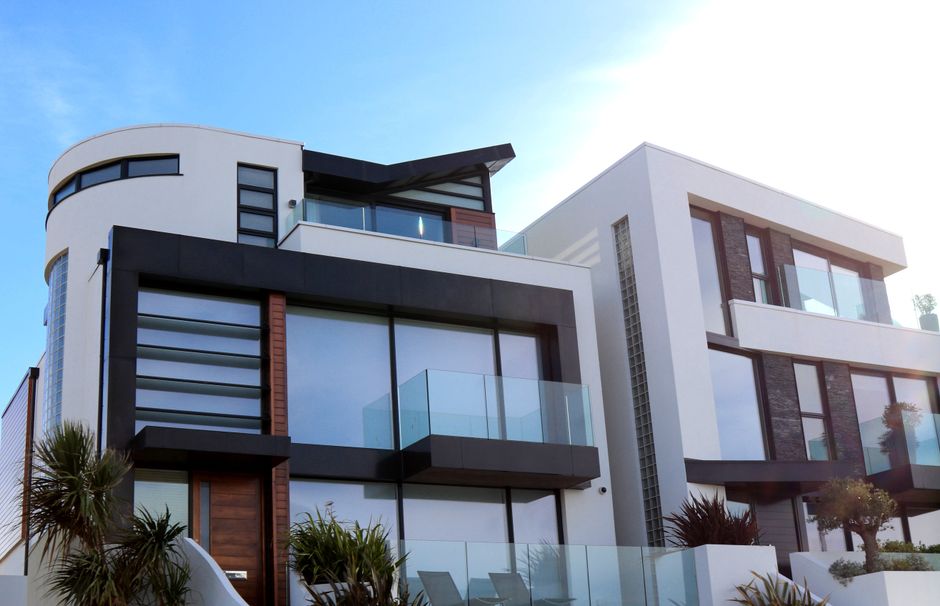
Seattle's city council passed a landmark zoning overhaul on June 18 that eliminates single-family exclusionary zoning across roughly 28,000 parcels citywide, mandates ground-floor retail on arterial streets in six new commercial corridors, and sets stricter façade articulation rules that effectively kill the boxy, monotone mid-rise style that has defined South Lake Union for the past decade. The vote was 7-2. The rules take effect September 1.
The timing matters because Seattle is sitting on a pipeline of roughly 14,400 permitted residential units as of the second quarter of 2026, according to the Department of Construction and Inspections. Dozens of those projects are now under review—some may need redesigns before breaking ground. Developers who pulled permits before June 18 have a six-month grace window, but anything submitted after September 1 must comply in full. That window is already creating a sprint.
What the New Rules Actually Change
The most consequential shift is the reclassification of about 60 percent of Rainier Valley's SF-5000 lots to a new Neighborhood Residential 2 designation, which allows triplexes and stacked flats up to four stories without a conditional-use permit. Along Rainier Avenue South between Othello Street and Henderson Street, property owners can now build six-story mixed-use structures where a two-story duplex was previously the ceiling. The Office of Planning and Community Development estimates the change unlocks potential for roughly 4,200 additional units in the valley alone over the next decade.
In Ballard, the amendments expand the urban center boundary north to NW 65th Street, pulling parcels around 24th Avenue NW into a zone that requires active ground-floor uses—retail, maker space, or food service—for any structure above three stories. The Seattle Design Review Board is simultaneously updating its massing guidelines for the Ballard Hub Urban Village, adding requirements for step-backs above the fourth floor on blocks adjacent to existing single-family homes. That's a direct response to backlash over two 65-foot apartment towers approved on NW Market Street in 2024 that neighbors called a "wall effect."
The design standards aren't purely aesthetic. The new rules tie façade variation requirements to permitting timelines: projects that meet all articulation benchmarks get a priority-track review slot at SDCI, cutting average review time from 18 weeks to an estimated 10. That's a real incentive for developers who have complained for years that Seattle's permitting pace erodes project margins.
What Comes Next for Buyers and Renters
The practical effect on housing costs is the question everyone from Capitol Hill to Crown Hill is asking. The median asking rent for a one-bedroom in Seattle hit $2,190 in June, up 4.1 percent year-over-year, according to Apartment List's July 2026 report. Supply advocates argue the density unlocked by the new zoning is the only credible path to bending that curve. Skeptics, including two dissenting council members, contend that without parallel affordability mandates—the council stripped a proposed 15 percent affordable set-aside from the final version—additional market-rate supply will cluster in high-demand corridors and leave lower-income renters behind.
Community organizations including the Rainier Valley Community Development Fund and the Chinatown-International District Business Improvement Area have both flagged concerns about displacement pressure on existing small businesses if ground-floor retail requirements push rents on commercial spaces above what longtime tenants can absorb. The council has asked OPCD to produce a displacement risk assessment by October 1.
Homeowners sitting on SF lots in newly upzoned blocks should get a property assessment update before December—values on comparable lots in Columbia City jumped between 8 and 14 percent in the six weeks after the 2023 Missing Middle legislation passed, and a similar repricing is already being discussed by appraisers working the Rainier Beach submarket. Anyone considering selling, developing, or refinancing should pull the new zoning designation for their parcel at SDCI's online portal before making any decisions. The map went live June 30.