Property
Lake City Tops Seattle’s Best Suburb for Rental Yields in 2026
With average gross yields hitting 6.8%, Lake City outpaces other neighborhoods, drawing investor attention amid shifting local demand.
3 min read
Property
With average gross yields hitting 6.8%, Lake City outpaces other neighborhoods, drawing investor attention amid shifting local demand.
3 min read
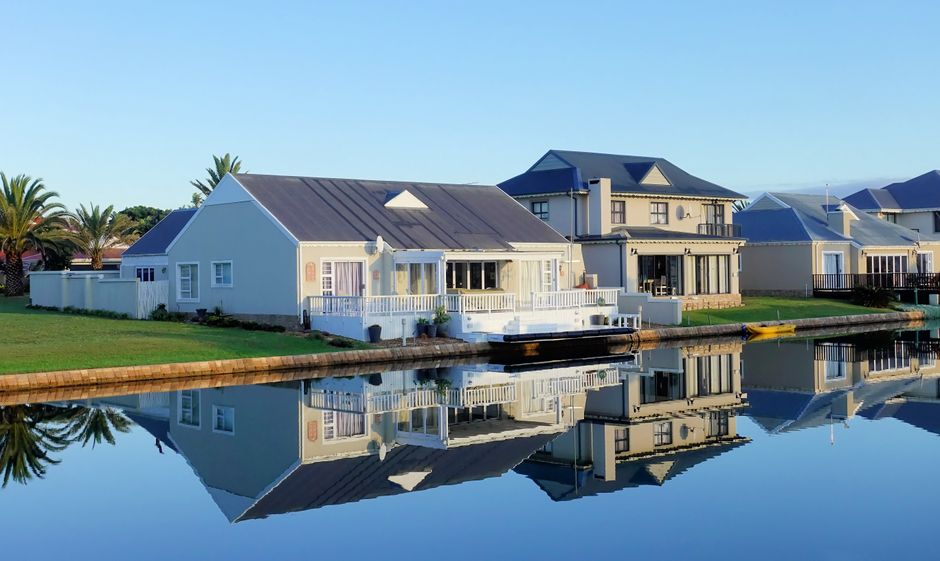
Lake City has emerged as the most lucrative suburb for Seattle property investors this year, climbing to the top spot with a gross rental yield of 6.8%—the highest among the city’s residential neighborhoods, according to figures released last week by the Northwest Multiple Listing Service. The surge comes as investors hunt for stable returns in a volatile year marked by rising interest rates and an influx of residents priced out of Seattle’s central neighborhoods.
The numbers matter. Home values in Capitol Hill, Ballard, and West Seattle have soared past the $1 million median, driving up purchase prices and squeezing yields. By contrast, Lake City, nestled along Lake City Way NE and stretching from NE 95th Street to NE 145th Street, continues to offer lower median house prices—$535,000 for a three-bedroom as of June 2026. Landlords are benefiting from strong rental demand, with the average three-bedroom home commanding $3,000 per month, according to data compiled by Redfin and Seattle Rental Group.
Lake City’s profile has shifted since the pandemic. More families and young professionals have put down roots on streets like 30th Ave NE and 125th Street, drawn by improved public amenities and expanded transit options. The Seattle Department of Transportation’s recent RapidRide H Line extension connects residents to tech campuses in South Lake Union and downtown offices in under 30 minutes, sharply increasing rental appeal.
Compared to hotspots like Green Lake or Phinney Ridge, where yields hover at 4.2% and 3.7% respectively, Lake City’s returns reflect a rare sweet spot of affordable entry and robust monthly income. “Each $100,000 invested nets about $564 per month before costs, dwarfing returns in central neighborhoods,” said a report from local property analytics firm UrbanSuburbia, dated June 18. The community’s suite of new small businesses, such as Elliott Bay Brewing’s recent branch at Lake City Center, and revitalized parks like Virgil Flaim, are adding to the suburb’s neighborhood cachet.
Vacancy rates are also playing a role. According to Seattle-King County Housing Authority figures published May 31, Lake City’s rental vacancy rate stands at just 2.9%, well below the city’s average of 4.1%. Stable demand, boosted by proximity to North Seattle College and Swedish Medical Center’s Ballard clinic, is persuading investors that vacancy risk is minimal even as other neighborhoods see slowing demand.
Local brokers expect yields to remain strong through 2026, but prices are rising. Lake City’s median home price climbed 7.4% in the past 12 months, and rental prices are up 10%. Would-be investors should act quickly: King County’s proposed “Tenant Stability Fee”—currently under council review—could marginally affect landlord margins by early 2027, though major changes aren’t expected until at least next spring.
For Seattle investors hunting for high returns without the soaring buy-in of neighborhoods like Magnolia or Queen Anne, Lake City presents a standout opportunity. With more city-backed improvements on the way, and a strong pipeline of tenants, the suburb’s numbers are tough to beat as summer buying heats up.

Property

Property

Property

Property
About this article
Published by The Daily Seattle
Spread the word
Daily brief
Free, in your inbox before 7am. Weekdays.
The Daily Network — local news across Australia