property
How Much Rent Is Too Much? The 30% Rule In Practice
Seattle renters face a monthly budgeting bind as rising prices test the old benchmark of housing affordability.
How we reported this
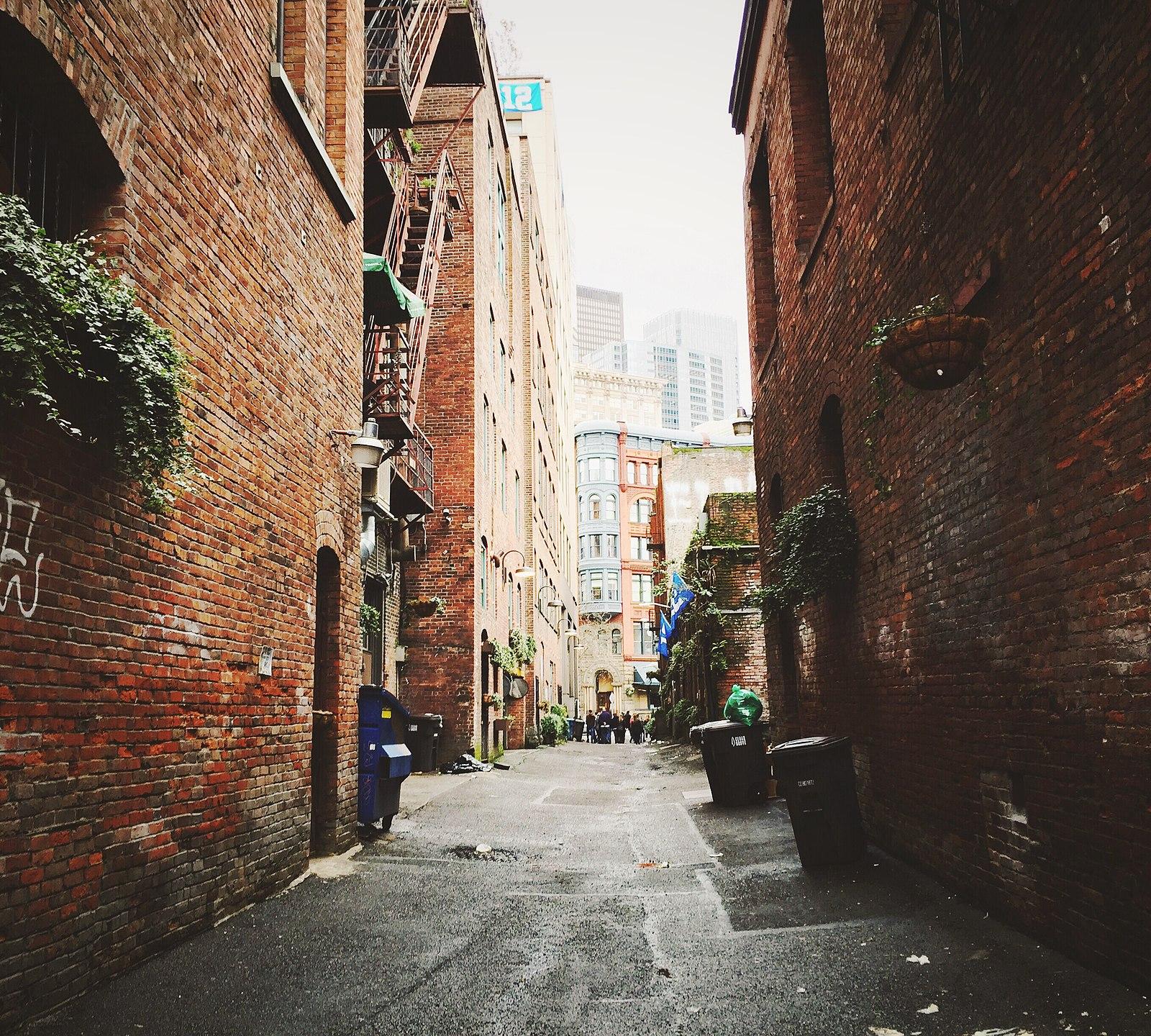
Ask a Seattle renter how much of their paycheck goes to housing and chances are the answer is: too much. In June 2026, median rent for a one-bedroom apartment inside city limits reached $2,110, according to Zillow. For thousands of residents from Belltown to Rainier Valley, the time-honored guideline that housing should cost no more than 30% of income is slipping further from reality.
What The 30% Standard Means For Seattle
The 30% rule traces back to federal guidelines set by the Department of Housing and Urban Development (HUD) in the 1980s. The idea: spending more than 30% of your gross income on rent marks the threshold for being “rent burdened.” But in Seattle’s current market, where incomes have strained to keep pace with the price of shelter, the dividing line looks less like a rule and more like a distant target.
This matters now because, despite a cooling tech sector and increased remote work, rent growth in dense neighborhoods hasn’t paused. Ballard and Capitol Hill are among the districts seeing steady influxes of newcomers, and rising demand. Programs like the Seattle Office of Housing's Multifamily Tax Exemption (MFTE) provide some relief in select new buildings, but the waitlists grow only longer. Meanwhile, major employers like Amazon and the University of Washington churn out waves of young professionals who help push competition, and prices, upward, especially for apartments near South Lake Union and the new Northgate light rail station.
The Gap Between Rent And Income
For a single renter earning the city’s median individual income, $83,400 per year, according to the U.S. Census Bureau’s latest ACS, the maximum affordable monthly rent, under the 30% rule, should be about $2,085. But with that one-bedroom median at $2,110, even those at the median are stretched, never mind service workers or educators earning below that benchmark. Two-bedroom apartments citywide average close to $2,800. In hot zip codes like 98121 (Belltown/Denny Triangle), prices can top $2,600 for even the most modest one-bedroom flat.
Buying isn’t a panacea. Monthly mortgage payments on a median Seattle home ($885,000 as of Redfin’s June data) now exceed $4,800, assuming a 6.6% interest rate and standard down payment-well above the 30% cap for all but dual high-earning households. Meanwhile, the city’s ongoing housing levy, which funds affordable developments like Cedar Crossing on Capitol Hill, is oversubscribed. Seattle Housing Authority’s voucher waitlist remains closed to new applicants for at least another year.
How To Stay Under 30%
For renters determined to keep housing costs to 30% of income or less, practical options remain limited. Studios and micro-units in neighborhoods like the U District or Northgate can run $1,350 to $1,750, typically without parking. Some opt for shared housing or new co-living spaces springing up in Columbia City or Fremont. City-backed financial counseling through local nonprofits such as Solid Ground is available, and renter assistance programs provide emergency relief, but these are band-aids, not solutions.
The 30% rule survives as a budgeting guideline, but Seattle’s market conditions keep rewriting the margins. Until significant expansion in supply or a slowdown in demand, residents must brace for tough trade-offs between affordability, location, and quality of life. Watch for further city council debate this autumn over expanded rental assistance, inclusionary zoning, and possible regulatory limits on annual rent hikes. For now, renters doing the math won’t find many easy answers, but knowing the number can be a critical first step.
This article is general information only and is not personal financial or investment advice. Consider your own circumstances and seek licensed professional advice before making financial decisions.