Property
Seattle’s Newest Tower Plan Triggers Community Clash: Both Sides Explained
Controversial high-rise proposals in Roosevelt and Ballard highlight deep divides over Seattle’s future growth.
4 min read
Property
Controversial high-rise proposals in Roosevelt and Ballard highlight deep divides over Seattle’s future growth.
4 min read
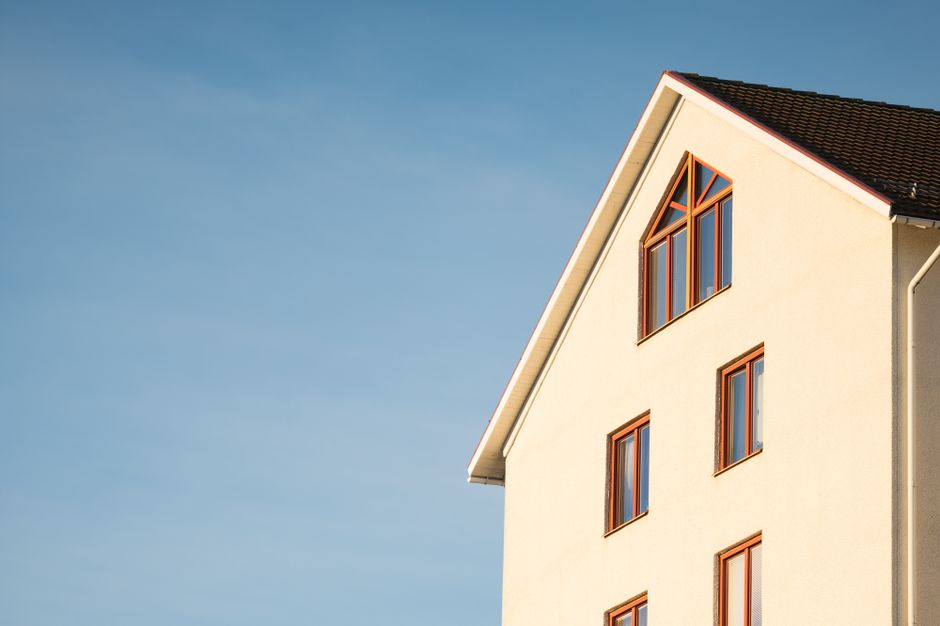
Plans for a pair of 25-story residential towers at the intersection of NE 65th Street and 12th Avenue NE in Roosevelt ignited heated opposition last week, as neighbors packed a Wednesday evening meeting organized by the Roosevelt Neighborhood Association. Hundreds squeezed into Roosevelt High School’s auditorium for a chance to grill city planners and Onyx Equity, the Boston-based developer behind the project.
Development battles have become a defining issue in Seattle this year. With the city’s population topping 790,000 according to the Washington State Office of Financial Management’s June release, and median single-family home prices above $900,000, the pressure to add housing is intense. Yet many residents say waves of dense construction threaten Seattle’s distinctive neighborhoods and escalate displacement fears—especially as the city drafts a major update to its Comprehensive Plan this summer.
Roosevelt isn’t alone. In Ballard, a 400-unit mixed-use complex proposed along 15th Avenue NW has drawn sharp resistance from locals who cite increased congestion and loss of sunlight. The Ballard Alliance, a business coalition, says large-scale developments threaten the character of streets like Market Street, dotted with historic venues like the Ballard Avenue Landmark District. Meanwhile, city planners argue that projects such as the Roosevelt towers—including its 300 planned apartments, with 60 earmarked as affordable under Seattle’s Mandatory Housing Affordability (MHA) program—are desperately needed as vacancy rates dip below 4% across North Seattle.
Patrice Owens, president of the Roosevelt Neighborhood Association, said the project’s scale "dwarfs everything around it" and would "fundamentally alter our community." City officials counter that limiting height and density fuels runaway prices, driving essential workers into outer suburbs or out of the region completely. Upzone policies in both Roosevelt and parts of the U District, adopted in 2021, have already added roughly 2,400 new apartments, according to Department of Construction and Inspections data.
Seattle’s median rent for a one-bedroom now hovers near $2,050 a month, per ApartmentList’s June 2026 report, and buyers face record inventories, with Northgate and Interbay condos sitting on the market for over three months on average. Yet the city’s Office of Housing estimates a deficit of at least 37,000 homes for low- and middle-income families within the city limits. Mayor Bruce Harrell’s administration points to the $90 million Housing Levy expansion, passed last fall, as a sign voters expect City Hall to deliver more affordable units—even if it means changing familiar skylines.
Opponents aren’t swayed. Parul Singh, a lead organizer for Ballard’s Save Our Shade coalition, says Seattle’s accelerated permitting threatens green space and creates construction fatigue. The group’s petition to the Seattle City Council has drawn over 1,300 digital signatures since mid-June, calling for a pause on the Ballard project until a new environmental impact review is conducted.
Supporters of development say new apartments bring more foot traffic for local businesses and offer at least a partial antidote to the exodus of teachers, nurses, and service workers. Michael Santos, an urban policy analyst at Sightline Institute, notes recent zoning changes have already slowed rent increases in neighborhoods with more multifamily construction, though gentrification remains a flashpoint for lifelong residents.
For Roosevelt and Ballard, the city’s Design Review Board is scheduled to deliver recommendations on both tower projects by late August. Residents have until July 18 to submit public comments online via the city’s Land Use Permit portal. Meanwhile, Council President Sara Nelson has scheduled a July 29 session at City Hall dedicated to public testimony on large-scale developments and upzone rules. Seattleites who want their voices heard should check the Department of Construction and Inspections (SDCI) website for upcoming hearings, or contact district councilmembers directly. With the 2026 Comprehensive Plan revision entering its final rounds, decisions made this summer will shape how—and where—Seattle grows for the next decade.
Property
Property
Property
Property
About this article
Published by The Daily Seattle
Spread the word
Daily brief
Free, in your inbox before 7am. Weekdays.
The Daily Network — local news across Australia