Property
The Math Has Flipped: These Seattle Suburbs Now Make More Sense to Buy Than Rent
Rising rents and stabilizing mortgage rates have quietly tipped the affordability equation in several King and Snohomish County communities.
4 min read
Property
Rising rents and stabilizing mortgage rates have quietly tipped the affordability equation in several King and Snohomish County communities.
4 min read
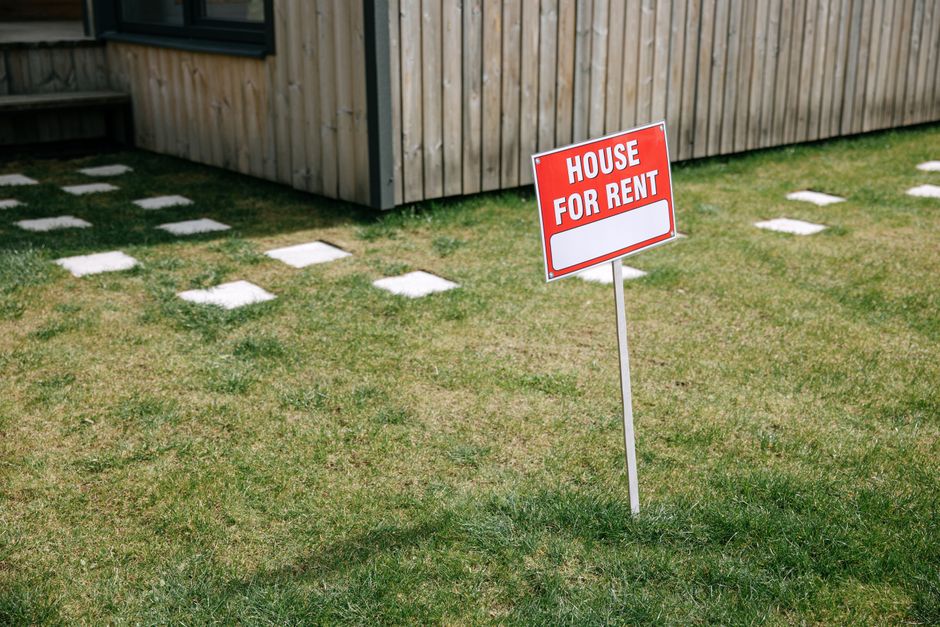
For the first time since the pandemic-era buying frenzy, monthly ownership costs in at least four suburban Seattle ZIP codes have dipped below median asking rents — a shift that financial advisers and housing researchers say is already pushing fence-sitters toward the closing table. The crossover is most dramatic in Renton, Burien, Marysville, and south Everett, where a combination of flattened home prices and persistently climbing rents has redrawn the math that kept thousands of households on the sideline.
The timing matters because Seattle's rental market never really cooled. After a brief softening in late 2023, average asking rents citywide climbed back above $2,400 for a one-bedroom by the first quarter of 2026, according to tracking from the Washington Center for Real Estate Research at Washington State University. At the same moment, 30-year fixed mortgage rates settled into a range of roughly 6.1 to 6.4 percent — painful compared to the 3-percent era, but stable enough that buyers can actually model their costs with confidence. That combination — high rents, predictable rates, suburban price stagnation — is what's creating pockets where ownership pencils out.
Renton is the clearest example. The median sale price for a three-bedroom single-family home in the 98058 ZIP code sat at approximately $589,000 in June 2026, down from a peak of nearly $670,000 in mid-2022. Put 10 percent down on that price at current rates and a buyer is looking at a principal-and-interest payment of roughly $3,380 per month. The median asking rent for a comparable three-bedroom in the same area: $3,550 and climbing, with landlords citing higher property tax assessments and insurance costs as justification. The gap is not enormous, but once you factor in that the mortgage payment is fixed and builds equity, the ownership case gets stronger by the month.
Burien, along State Route 509 south of Sea-Tac Airport, tells a similar story. Median home prices there have plateaued around $530,000, while the rental market — fed partly by workers commuting to Amazon's Georgetown-area distribution hubs — has seen two-bedroom units regularly listed above $2,800. Marysville, at the northern edge of Snohomish County, has drawn particular attention from housing counselors at HomeSight, a Seattle-based nonprofit that runs down-payment assistance programs. The organization has reported a surge in inquiries from renters in the 98270 and 98271 ZIP codes who ran their own numbers and wanted help making a purchase viable.
The Washington State Housing Finance Commission's Home Advantage loan program has also seen application volumes tick upward in Snohomish County since April. The program offers below-market interest rates and down-payment assistance to moderate-income buyers — exactly the demographic that until recently assumed ownership was out of reach.
The math favors buyers only if they can clear the down-payment hurdle, and that remains brutal. A 10-percent down payment on a $589,000 Renton home requires nearly $59,000 in cash before closing costs. That is not a number most renters have sitting in savings. Housing economists at the University of Washington's Runstad Department of Real Estate have pointed out that the affordability crossover is real but narrow — meaningful for dual-income households or those with family help, much harder for single earners or first-generation buyers without intergenerational wealth.
Inventory is also thin. Fewer than 1,200 single-family homes were listed across King County at the end of June, roughly half the pre-pandemic seasonal norm. Buyers who want to capitalize on the rent-versus-own shift are entering a market where competitive offers remain common in the $500,000 to $650,000 range.
For renters doing their own calculations, housing counselors at the Urban League of Metropolitan Seattle on East Cherry Street recommend using the WSHFC's online affordability tool before approaching a lender, and getting pre-approved in hand before touring homes in Renton or Burien. The window where buying beats renting in these suburbs is real, but it depends on acting before autumn inventory typically thins further and before any rate movement changes the equation again.
Property
Property
Property
Property
About this article
Published by The Daily Seattle
Spread the word
Daily brief
Free, in your inbox before 7am. Weekdays.
The Daily Network — local news across Australia