Property
How Much Rent Is Too Much? The 30% Rule in Practice in Seattle
With average rents surging past $2,200 on Capitol Hill, Seattleites are re-examining the limits of the standard rent-to-income guideline.
3 min read
Property
With average rents surging past $2,200 on Capitol Hill, Seattleites are re-examining the limits of the standard rent-to-income guideline.
3 min read
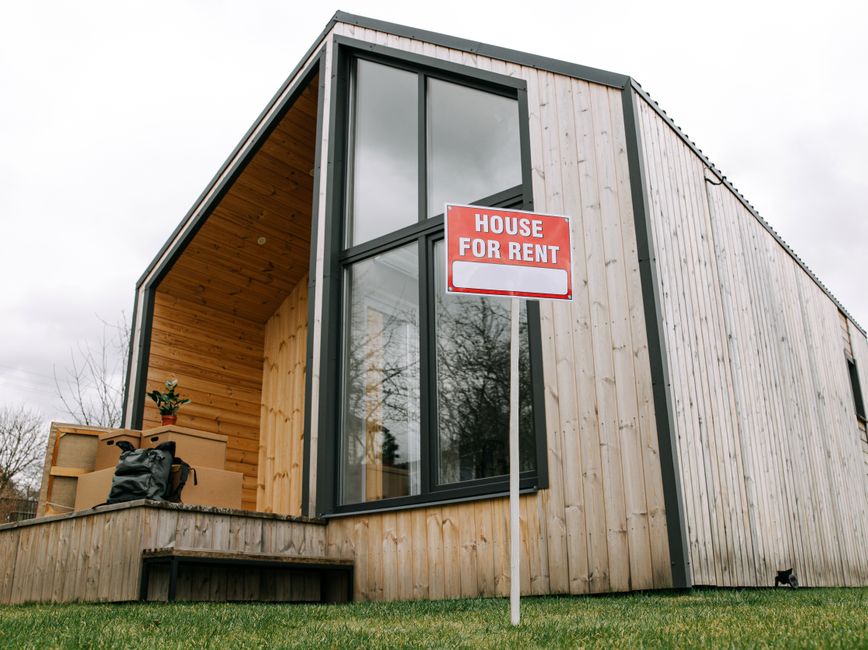
For renters searching along the Pike-Pine corridor, the math is simple but the answer can be sobering: the typical one-bedroom apartment now rents for $2,240 a month—meaning a single tenant would need to earn at least $7,466 gross income monthly to comfortably fit the widely-cited 30% rule for housing costs.
With July 2026 marking Seattle’s third consecutive year of above-inflation rent hikes, the stress on household budgets has reached new highs. The classic 30% affordability standard—don’t spend more than a third of your pretax income on housing—once seemed conservative. Now, with half of local renters spending more than that, according to the most recent King County Housing Affordability report, that threshold is less guideline and more aspiration.
"Seattle renters have been squeezed especially hard in core neighborhoods like Capitol Hill and South Lake Union," says a policy analyst with the non-profit Housing Development Consortium, who points to the continued tech sector hiring as a factor keeping demand high. At the same time, buyers weighing the leap into homeownership are eyeing median prices above $900,000 in Ballard and Northgate, straining budgets just as mortgage rates hover near 6.7%.
Walk down Pine Street on a summer weekend and you’ll pass rental signs offering studios for $1,750 and up. In Ballard, a new boutique complex at the intersection of NW Market St and 17th Ave NW lists one-bedrooms at $2,350—before utilities. Across town, Seattle Housing Authority’s waiting list for subsidized rentals at High Point in West Seattle remains hundreds long. "Every time there’s an opening, the phones ring off the hook," an SHA staffer told The Daily Seattle. The competition is no less fierce in Queen Anne, where data from real estate tech firm Zumper puts the median two-bedroom rent at $3,020 this June.
According to Zillow, Seattle’s average household income needed to rent at the 30% rule is now just over $89,000—a figure well above the city’s median household income of $74,500 published in May. That gap pushes many renters, especially younger singles and recent arrivals, into splitting homes or accepting commutes from less expensive suburbs.
With rent outpacing incomes, local experts recommend treating 30% as a warning light, not a fixed law. The City of Seattle’s Office of Housing recently launched the "Seattle Renter’s Toolkit"—which helps residents map out budgets and find available programs including the Seattle Rental Assistance Fund. The Tenant’s Union of Washington State directs renters to low-cost legal clinics, while the city’s affordable housing search tool is being revamped for easier access by fall 2026.
For those caught in the middle, financial planners urge caution: keep rent beneath 35% if possible, and factor in all recurring costs—utilities, parking, and insurance. If options within city limits don’t fit, neighborhoods like Rainier Valley and White Center still offer average one-bedroom rents under $1,600, though even those are rising. As Seattle’s housing market remains tight, the one constant is the need for vigilance—and, for many, a willingness to rethink what “affordable” truly means in 2026.

Property

Property

Property

Property
About this article
Published by The Daily Seattle
Spread the word
Daily brief
Free, in your inbox before 7am. Weekdays.
The Daily Network — local news across Australia