Property
Seattle Renters Face Tight Squeeze as Regional Markets Rival National Capital City Costs
Data shows that rents across Puget Sound suburbs are closing the gap with Seattle—while would-be buyers eye difficult math on both fronts.
3 min read
Property
Data shows that rents across Puget Sound suburbs are closing the gap with Seattle—while would-be buyers eye difficult math on both fronts.
3 min read
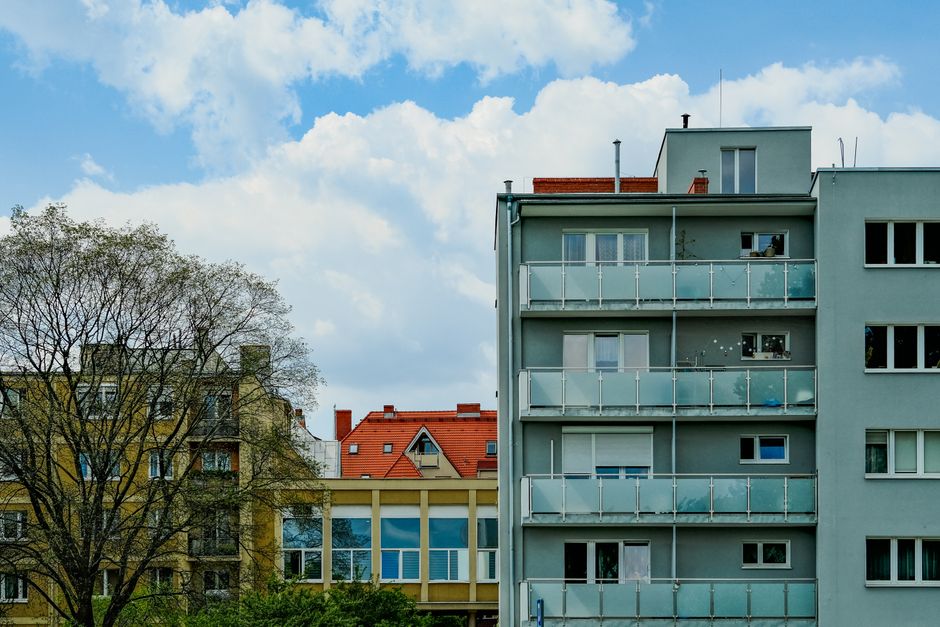
A one-bedroom apartment in downtown Kirkland now costs nearly as much to rent as one in Belltown. That’s the upshot of new regional housing figures, which show the affordability divide between Seattle proper and its neighboring cities is shrinking—fast.
The shift carries major implications for renters weighing whether to stay put, look farther afield, or try to buy before the spiraling regional market puts homeownership even further out of reach. Competition is fierce in Seattle, but this summer’s surge in Redmond, Bothell, and Shoreline is forcing many to make tough trade-offs.
Once, Seattle’s price premium over suburbs was stark. But the difference is evaporating. RealPage data from June 2026 shows the median monthly rent for a one-bedroom in Seattle at $2,184, just $148 higher than in Kirkland and $115 more than in Lynnwood. Ballard now matches Bellevue’s rental median at $2,230. Brokers at Windermere Capitol Hill say Northgate and Columbia City have seen record-fast lease-ups, while Edmonds-based Acre Properties reports vacancy rates at less than 2 percent for studios across Snohomish County.
At street level, renters have noticed. "You used to move to Renton or Shoreline for relief," said a leasing manager at Othello Station. "Not anymore." The city’s density push—visible in ongoing construction along Rainier Avenue South and the five-story complexes on 24th Avenue Northwest—has done little to blunt rent acceleration outside the downtown core.
The buying alternative is just as fraught. The Northwest Multiple Listing Service reported median single-family home prices hit $883,000 in King County in June, a 4.1% annual jump. In Tacoma, once a favorite target for priced-out Seattle buyers, the median is $497,000—a 7% surge year over year. According to Zillow, first-time buyers in Seattle now need an average down payment of $144,400: over six times the city median monthly rent. West Seattle’s Genesee Hill and Beacon Hill have both listed more townhouses in the $900,000 to $1.1M range than last summer, but bidding wars are back—and often pit buyers against investors from other tech-forward cities like San Francisco and Toronto.
There’s almost no slack left in the system. Seattle Housing Authority’s Section 8 waitlist remains at capacity, and large employers like Amazon and Swedish Medical Center say more recruits are seeking rental stipends rather than homebuyer assistance. Apartment construction along the Denny Triangle is expected to bring 2,700 new units online by early 2027, but developers warn that pipeline will lag demand as long as interstate migration and tech hiring persist in the region.
For those still choosing between renting and buying in the greater Seattle area, analysts recommend tracking micro-neighborhood listings—expanding searches to Lake City Way NE or the Rainier Beach corridor may unlock some relative bargains. Renters on shorter timelines can monitor city-sponsored affordability lotteries, like the Office of Housing’s new projects near Judkins Park and Northgate Link.
Ultimately, experts at Seattle University’s Center for Real Estate say the best bet is flexibility: “Don’t expect broad relief until at least 2028,” their latest report notes. Until then, the cost gap between city and region will likely keep shrinking—leaving affordability squarely in the crosshairs for anyone looking for a home in the Puget Sound area this year.
Property
Property
Property

Property
About this article
Published by The Daily Seattle
Spread the word
Daily brief
Free, in your inbox before 7am. Weekdays.
The Daily Network — local news across Australia