The median home sale price in Seattle hit $875,000 in June 2026, according to Northwest Multiple Listing Service data, pricing out roughly two-thirds of renter households who earn the city's median income of around $102,000. Against that backdrop, a cluster of build-to-rent developments — communities designed from the ground up for long-term tenants rather than eventual sale — has taken root across the metro, promising amenities and lease flexibility that older apartment stock simply cannot match.
The timing matters. Mortgage rates have hovered near 7.1 percent for much of the year, and the math for first-time buyers in King County has rarely looked worse. A 20 percent down payment on that median-priced home would require $175,000 upfront, plus closing costs. For the growing share of residents who have shelved ownership plans — not out of preference, but out of arithmetic — the quality of the rental experience has become the defining housing question.
What Build-to-Rent Communities Actually Look Like in Seattle
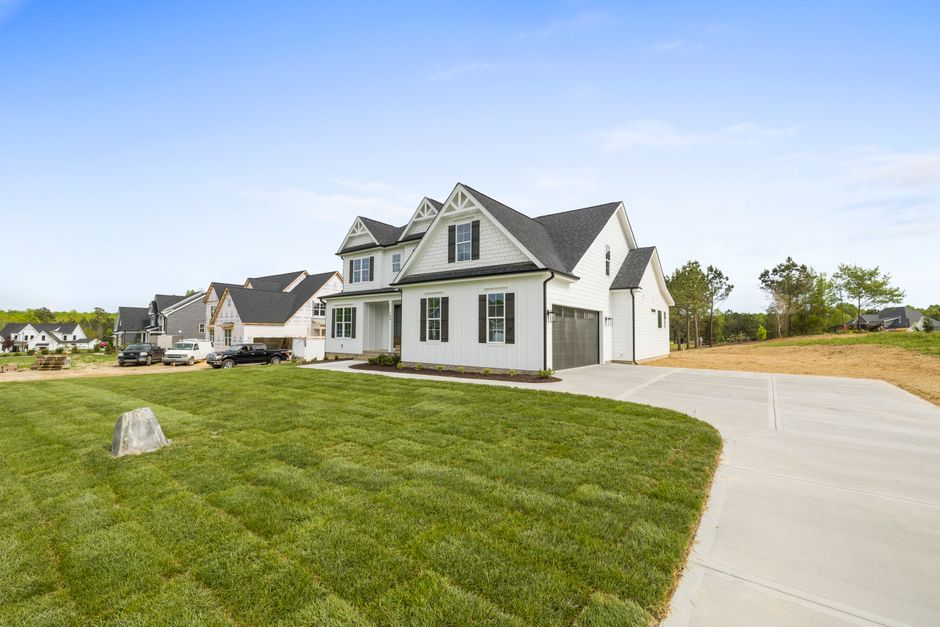
Two projects illustrate what the format looks like on the ground. The Linden Collection, a 214-unit development that opened last October along Rainier Avenue South near Columbia City, offers townhouse-style units with attached garages, in-unit washers and dryers, and 12- or 24-month leases with an option to renew for three years — a departure from the standard 12-month rollover that forces tenants to reprice every year in a volatile market. Monthly rents start at $2,450 for a one-bedroom and climb to $3,850 for a three-bedroom, roughly 8 to 12 percent above comparable apartments in the neighborhood, according to CoStar market data.
Further north, Broadstone Northgate — a project delivered by Alliance Residential and sitting two blocks from the Northgate Link station — targets a similar tenant profile: households earning between $90,000 and $130,000 who want the feel of a home without the $800,000-plus price tag. The 178-unit complex includes a dedicated co-working floor, pet runs, and a concierge maintenance system that guarantees same-day responses to repair requests. That last feature is not trivial. The Seattle Office of Housing logged more than 4,200 formal habitability complaints against conventional landlords in 2025.
The model draws on a format that has scaled rapidly in cities like Phoenix and Dallas, but Seattle's land costs and construction regulations have slowed rollout here. The Seattle Planning Commission estimated in its April 2026 housing outlook that fewer than 1,100 purpose-built single-family rental units exist within city limits, compared to roughly 14,000 in the Dallas-Fort Worth metro.
The Renter's Actual Calculation
Paying a premium to rent in a build-to-rent property still beats buying — on a monthly cash-flow basis — for most households. At current rates, a 30-year mortgage on an $875,000 home with 20 percent down produces a principal-and-interest payment of approximately $4,720 per month, before property taxes, insurance, or HOA fees. A three-bedroom at Linden Collection at $3,850 saves that household nearly $1,000 a month, even before factoring in the $175,000 that stays in the bank instead of going toward a down payment.
The trade-off is equity. Renters at these properties build none, and Seattle's long-run appreciation rate — roughly 6.2 percent annually over the past decade, per Zillow Research — means a delayed purchase decision carries a compounding cost. Tenants in build-to-rent communities must weigh stability and liquidity against the historical wealth-building power of ownership.
For anyone doing that math right now: the Seattle Office of Housing runs a free Homebuyer Education Program through partners including Homestead Community Land Trust in the Central District, which can help prospective buyers understand down payment assistance options under the Washington State Housing Finance Commission's Home Advantage program. Those earning up to 115 percent of area median income may qualify for down payment loans up to $10,000. Build-to-rent may be the right answer for 2026 — but for many residents, it works best as a deliberate pause, not a permanent surrender on ownership.