News
Seattle by the Numbers: The Data Behind the City's Biggest Stories This July
From housing costs to transit ridership and heat-related health calls, the figures shaping Seattle's summer tell a complicated story.
4 min read
News
From housing costs to transit ridership and heat-related health calls, the figures shaping Seattle's summer tell a complicated story.
4 min read
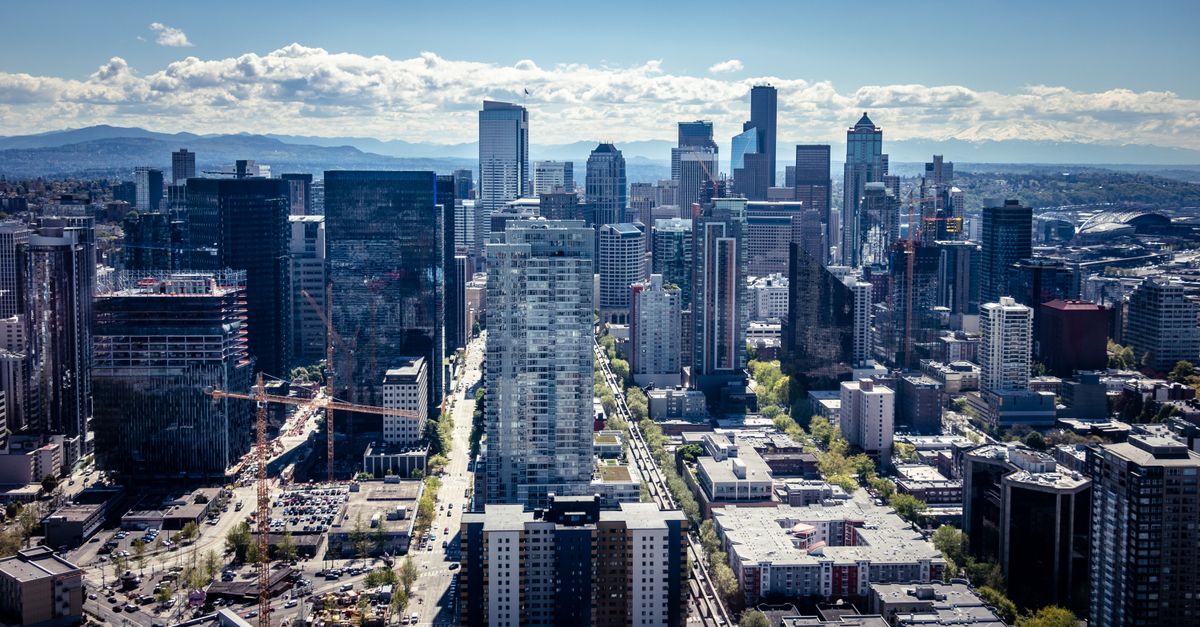
Seattle entered July 2026 with a stack of numbers that city officials, renters, and commuters are all struggling to absorb at once. The median asking rent for a one-bedroom apartment in Seattle hit $2,340 in June, according to CoStar Group tracking data — a 6.2 percent jump from the same month last year and the highest single-month figure recorded in the city since data collection began in 2018. That single statistic is pulling threads across housing policy, homelessness response, and neighborhood stability heading into the back half of the year.
Why does it matter right now? The Seattle City Council's Housing and Human Services Committee is scheduled to vote July 14 on a revised version of the Tenant Protections Ordinance, which would cap annual rent increases on buildings constructed before 2000 at 7 percent. Landlord associations and tenant advocacy groups have both been packing the chambers at City Hall on 5th Avenue. The timing — peak summer rental season, plus a regional jobs market that added roughly 11,400 positions in King County between January and May — is putting maximum pressure on the supply side of the ledger.
King County Metro reported average weekday boardings of 312,000 in May 2026, a figure that sounds robust until you compare it to the 398,000 daily average Metro was carrying in May 2019. The agency attributes the 21.6 percent gap to a combination of lingering hybrid-work patterns and three service reductions imposed since 2023 due to a driver shortage. The Route 7 corridor, running from Phinney Ridge down through Capitol Hill and Rainier Avenue South, has seen some of the steepest headway increases — from 10 minutes to 15 minutes during peak hours on several weekday blocks.
The heat is making all of this worse. Seattle Fire Department dispatch logs show emergency medical calls classified as heat-related illness reached 47 in the 72 hours between June 28 and July 1, compared to 19 for the equivalent period in 2025. The city opened three cooling centers — at Rainier Community Center in the Rainier Valley, the Central District's Garfield Community Center on 23rd Avenue, and the Northgate Community Center near the Link light rail station — and all three reported being at or above capacity on the afternoon of July 1. Public Health — Seattle & King County confirmed two heat-related deaths during that window, both individuals over 70 who were found in un-air-conditioned apartments in the Beacon Hill neighborhood.
Seattle's Office of Emergency Management has flagged that only an estimated 36 percent of Seattle households below the federal poverty line have functional air conditioning, based on the 2024 American Community Survey. That figure drops to roughly 28 percent in the Chinatown-International District, where older building stock and higher population density compound the risk. The city's Beat the Heat program, funded at $1.8 million for fiscal year 2026, is distributing portable AC units through Seattle City Light's low-income weatherization track, but program staff told the council in May that demand is outpacing the current allocation by a ratio of nearly three to one.
For renters watching the July 14 council vote, the practical stakes are concrete. If the Tenant Protections Ordinance passes as written, an estimated 68,000 rental units in buildings constructed before 2000 would fall under the annual increase cap. That covers a significant slice of older stock in neighborhoods like Fremont, the Central District, and South Park. If it fails or is amended to exclude smaller landlords — which several council members have proposed — those same renters are largely unprotected under existing Washington State law, which preempts most local rent stabilization measures and has not been amended since 2021.
On the heat and infrastructure front, Seattle Public Utilities is asking residents in the Delridge and West Seattle neighborhoods to voluntarily reduce water use between noon and 8 p.m. on days when temperatures exceed 88 degrees Fahrenheit, citing pump station capacity. The department's conservation hotline — (206) 684-3000 — is staffed through the holiday weekend. Cooling centers reopen at 10 a.m. Saturday, July 4.
About this article
Published by The Daily Seattle
Spread the word
Daily brief
Free, in your inbox before 7am. Weekdays.
The Daily Network — local news across Australia