finance
Tech Wages, Energy Costs and a Surging FTSE: What Tuesday's Markets Mean for Seattle Workers
A broad rally in equities and a sharp jump in crude oil prices create a mixed picture for a city whose economy runs on cloud computing, aerospace and an increasingly expensive daily commute.
How we reported this
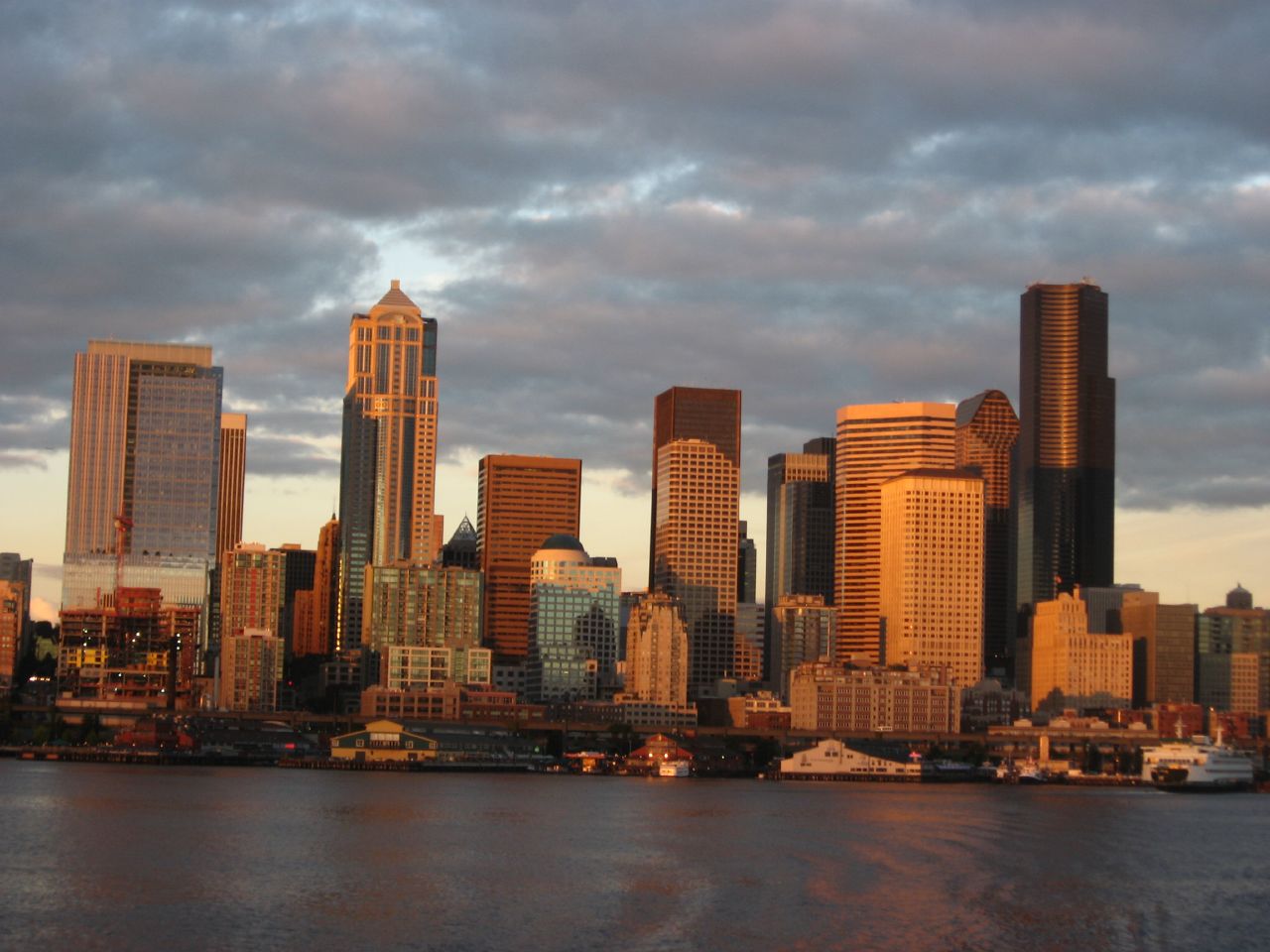
Seattle's economy is built on the kind of knowledge-sector employment that tends to track equity markets closely. When the platforms and cloud infrastructure companies that anchor South Lake Union and the Eastside corridor are doing well, their workers feel it in stock-based compensation, 401(k) balances and hiring confidence. On Tuesday, the headline numbers were broadly constructive: the S&P 500 climbed 0.74% to 7,498.48, the Dow Jones added the same percentage to close at 52,224.55, and the Nasdaq, home to the valuations that matter most to Seattle's technology workforce, rose 0.72% to 25,690.90. For anyone whose retirement savings lean heavily on domestic equities, the session offered a quiet but real tailwind.
The gains were not limited to the United States. European bourses had a strong day, with London's FTSE 100 surging 1.83% to 10,716.97 and Frankfurt's DAX advancing 1.24% to 25,155.41. Paris's CAC 40 added 0.89% to reach 8,437.89. The breadth of that transatlantic rally matters for Seattle in a specific way: Boeing, the region's largest manufacturing employer, derives a substantial share of its revenue from European airline orders and global freight contracts. A healthier economic mood in Europe does not guarantee order books fill faster, but it is the kind of backdrop in which capital spending decisions by foreign carriers tend to loosen rather than tighten.
Asia presented a more cautious picture. The Hang Seng fell 1% to 24,892.66, and the Nikkei 225 slipped 0.18% to 66,115.60, though the Straits Times Index in Singapore bucked the regional trend with a 1.75% gain to 5,595.42. For Seattle's port economy, one of the busiest container gateways on the West Coast, softness in Hong Kong and Tokyo is worth monitoring. Trade flow volumes and freight rates do not move on a single session's equity performance, but a sustained pullback in Asian demand would eventually show up in longshoreman hours and logistics employment across the Puget Sound region.
Energy and Metals: The Other Side of the Ledger
The commodity moves on Tuesday deserve particular attention from Seattle households and businesses. Brent crude jumped 3.21% to 93.93 dollars a barrel, while WTI crude rose 2.01% to 86.62 dollars. Natural gas climbed 2.69% to 2.942. For a city that has made significant public investment in electrification, from its municipal utility's hydro-heavy grid to a growing fleet of electric buses, rising fossil fuel prices carry a different sting than in more car-dependent metros, but they still feed through into airline ticket prices, freight surcharges and the operating costs of the industrial facilities that ring the Sound. Commuters who have not yet made the switch to transit or electric vehicles will notice the pressure at the pump.
Precious metals told a story of their own. Gold rose 1.70% to 4,140.20 dollars an ounce, silver advanced 2.06% to 60.045 dollars, and platinum gained 1.33% to 1,647.70 dollars. That kind of simultaneous strength across the metals complex often reflects investors hedging against uncertainty even while equities rally, a reminder that Tuesday's green screens do not represent a single, unified read on the global outlook. Copper, a reliable proxy for industrial activity, was the outlier, slipping 0.35% to 6.488 dollars, which is the kind of signal that analysts watching manufacturing pipelines tend to flag.
Cryptocurrency markets were subdued. Bitcoin fell 1.01% to 65,830.13 dollars, Ethereum dipped 0.25% to 1,923.54 dollars, and Solana lost 0.66% to 77.59 dollars. XRP and Dogecoin also declined modestly. The crypto pullback is a minor note against the broader equity rally, but it is relevant in a city where a meaningful share of technology-sector employees hold digital assets as part of their personal portfolios, sometimes significantly so.
The overall picture for Seattle on Tuesday is one of genuine but uneven progress. Equity gains benefit workers with diversified retirement accounts and vest schedules tied to major indices. Rising energy costs cut against household budgets and business margins simultaneously. The European rally offers a degree of comfort for the region's aerospace and export sectors, while Asian softness warrants a watchful eye on port and trade-dependent employment. As always, the moves in any single session are context, not conclusion, and nothing in Tuesday's snapshot substitutes for advice tailored to an individual's own financial position.
This article is general information only and is not personal financial or investment advice. Consider your own circumstances and seek licensed professional advice before making financial decisions.