culture
Seattle's Arts Scene Hits a New Peak—Here's How Two Decades of Shifts Built It
From grunge-era DIY venues to today's $250 million arts district, Seattle's cultural institutions are marking a turning point this summer.
4 min read
culture
From grunge-era DIY venues to today's $250 million arts district, Seattle's cultural institutions are marking a turning point this summer.
4 min read
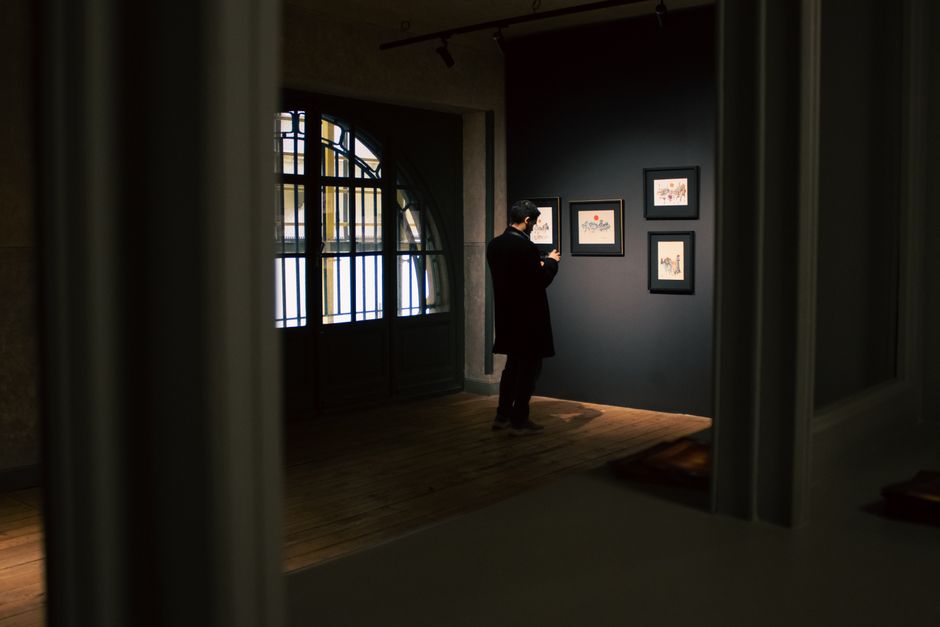
Seattle's summer arts calendar is packed tighter than it's been in nearly a decade. The Seattle Art Museum reopened its renovated third floor on June 15. The Paramount Theatre announced a 47-show lineup through August. The Intiman Theatre, which shuttered in 2011 and returned in 2017, just extended its season by four weeks.
The convergence isn't accident. For the first time since the 2008 financial crisis, every major arts organization in the city is running at near-full capacity. What started as a scrappy, underfunded scene of small galleries on Capitol Hill and performance spaces in Pioneer Square has matured into something that now attracts touring productions, international artists, and sustained corporate sponsorship. This July marks a visible inflection point—the moment when Seattle's cultural infrastructure completed its transformation from post-grunge recovery to permanent major-league status.
The numbers tell the story. The city allocated $19.3 million to arts and cultural funding in the 2025-2026 budget, compared to $4.2 million in 2005. The Seattle Culture Connector data hub reported 2.1 million attendances at cultural events last year, up from 640,000 in 2010. Real estate prices in the Capitol Hill neighborhood, historically the artistic heart of the city, jumped 34 percent between 2015 and 2024, pushing out independent galleries but simultaneously drawing major institutions seeking new headquarters.
Twenty years ago, a working artist in Seattle typically split time between day jobs and weekend shows in converted warehouses or basement venues. The Crocodile, which opened in 1991 on Pike Place, survived the 1990s grunge boom but nearly closed in 2007. The Sunset Tavern in Ballard, which booked live music nightly, operated on razor margins. The Seattle Symphony, founded in 1911, nearly folded in 2008 when the recession wiped out endowment returns.
Today's landscape looks fundamentally different. The Intiman's return came with $4.5 million in funding from the city and grants. The SAM expansion cost $135 million, funded through a combination of levy money and donations. The SIFF (Seattle International Film Festival), which began in a single theatre in 1974, now operates across 12 venues and drew 140,000 attendees at its March event this year.
Part of this shift reflects how Seattle has changed overall. The city's population grew 21 percent between 2010 and 2024, to just over 760,000 people. Tech industry growth pushed median household income up 44 percent during the same period. A wealthier, larger population meant more ticket buyers, more corporate donors, and more pressure for cultural programming to match cities like Portland and San Francisco.
This July, Seattle theaters are running six major productions simultaneously. The Paramount's "Hamilton" revival runs through July 20, with tickets ranging from $79 to $289. The McCaw Hall, opened in 2003, hosts Pacific Northwest Ballet's summer shorts festival starting July 11. The Woodland Park Zoo's outdoor concert series features 18 shows between June and September, with $25 lawn tickets selling out weeks in advance.
The arts district itself has codified. The South Lake Union neighborhood, empty warehouses in 2005, now anchors the city's cultural life. SAM's downtown location on University Street sits three blocks from the central library, designed by Rem Koolhaas and completed in 2004. The Benaroya Hall, home of the Seattle Symphony, operates year-round at 75 percent capacity on average, compared to 58 percent a decade ago.
For anyone planning a cultural summer in Seattle, the practical reality is this: book tickets in advance, expect full venues, and prepare to spend. A night out—dinner in Capitol Hill or Ballard, a show at the Moore Theatre or Neumos, a drink afterward—now runs $150 to $200 per person comfortably. The world-class arts infrastructure is here. The question is whether prices rise fast enough to price out the very creative workers who built the scene.
About this article
Published by The Daily Seattle
Spread the word
Daily brief
Free, in your inbox before 7am. Weekdays.
The Daily Network — local news across Australia